
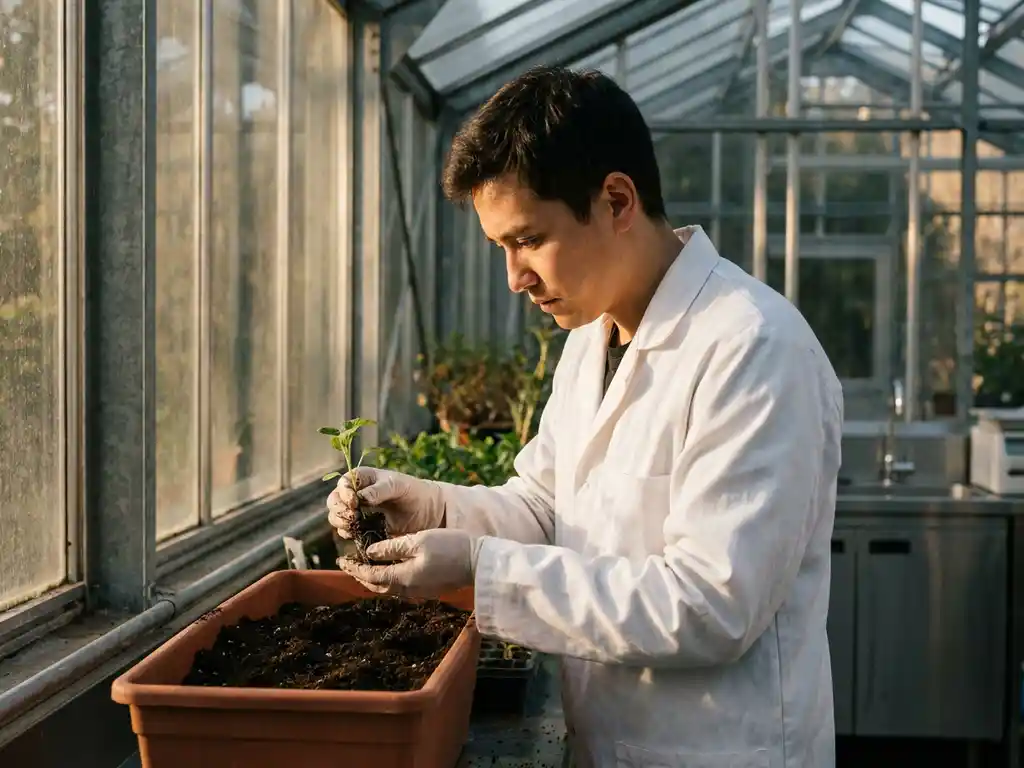
Research spin-offs are companies formed to commercialize innovations developed within academic institutions or research organizations. Unlike traditional startups that begin with market-identified opportunities, research spin-offs emerge from scientific discoveries or technological breakthroughs. They bridge the gap between academic research and commercial applications, transforming laboratory innovations into market-ready products and services that address real-world challenges.
What exactly is a research spin-off and how does it differ from a regular startup?
A research spin-off is a company created to commercialize intellectual property, technologies, or innovations developed within universities, research institutes, or R&D organizations. These ventures originate from scientific research rather than market opportunities, distinguishing them fundamentally from traditional startups.
The key characteristics that set research spin-offs apart include their research-based foundation, where the core technology or innovation already exists before the company forms. Traditional startups typically identify market gaps and then develop solutions, while academic spin-offs begin with proven scientific concepts that need commercial development.
Research spin-offs often maintain ongoing relationships with their parent institutions through licensing agreements, shared facilities, or continued collaboration. The founding teams usually include researchers or academics who developed the original technology, bringing deep technical expertise but potentially limited commercial experience.
These companies possess unique value propositions through their access to cutting-edge research, established intellectual property portfolios, and connections to academic networks. However, they face distinct challenges in translating laboratory successes into marketable products that meet customer needs and commercial viability requirements.
How do researchers actually turn their discoveries into commercial ventures?
The commercialization process begins with technology assessment, where researchers evaluate their discoveries’ commercial potential, market applications, and competitive advantages. This involves analyzing the technology’s uniqueness, scalability, and potential market size to determine its viability for business development.
Market validation follows, requiring researchers to identify target customers, understand industry needs, and validate demand for their innovation. This step often proves challenging for academics accustomed to research environments rather than commercial market dynamics.
Intellectual property protection represents a critical early stage, involving patent applications, trademark registrations, and establishing clear ownership rights. Technology transfer offices typically assist with this process, ensuring proper legal frameworks exist before commercialization begins.
Business model development requires researchers to determine how their technology creates value, generates revenue, and reaches customers. This includes pricing strategies, distribution channels, and operational structures that differ significantly from academic research approaches.
The transition from research to commercial operations involves building business teams with complementary skills, securing funding, developing prototypes into market-ready products, and establishing manufacturing or service delivery capabilities. Many researchers partner with experienced entrepreneurs or business professionals to navigate this complex transformation successfully.
What are the biggest challenges research spin-offs face when entering the market?
Funding gaps represent a significant challenge, as research spin-offs often require substantial capital to bridge the distance between prototype development and market-ready products. Traditional venture capital may be hesitant to invest in early-stage technologies with uncertain commercial applications.
Market readiness issues frequently arise when innovations developed for research purposes do not align with immediate market needs or customer expectations. Technology licensing complexities can create additional hurdles, particularly when multiple institutions or researchers hold rights to different aspects of the innovation.
Team-building challenges occur as academic founders must recruit commercially experienced professionals while maintaining technical expertise. Balancing research backgrounds with commercial skills requires careful consideration of equity, roles, and decision-making authority.
Regulatory hurdles vary by industry but can be particularly complex for biotechnology, medical devices, or environmental technologies requiring extensive testing and approval processes. These requirements often extend development timelines and increase costs significantly.
Scaling from prototype to production presents operational challenges that many research-based teams have not previously encountered. Manufacturing, quality control, distribution, and customer support require different skill sets and resources than those available in laboratory research environments.
How do research institutions support and benefit from spin-off companies?
Universities and research organizations support spin-offs through technology transfer offices that manage intellectual property, facilitate licensing agreements, and provide commercialization guidance. These offices serve as bridges between academic research and business development, offering expertise in patent management and industry connections.
Incubation support includes access to laboratory facilities, shared equipment, and office space that reduces initial operational costs for spin-off companies. Many institutions offer entrepreneurship programs, mentoring services, and business development resources specifically designed for academic spin-offs.
Innovation commercialization benefits institutions through multiple revenue streams, including licensing fees, equity stakes, and ongoing royalty payments from successful ventures. These financial returns support continued research activities and institutional development.
Licensing agreements typically establish ongoing relationships in which institutions retain rights to fundamental technologies while granting commercial development rights to spin-off companies. Equity arrangements often provide institutions with ownership stakes that appreciate as companies grow and succeed.
The relationship benefits extend beyond financial returns, as successful spin-offs enhance institutional reputation, attract top researchers, and demonstrate WAITRO’s impact on practical applications of academic work. These companies often maintain collaborative relationships, funding additional research projects and providing career opportunities for graduates and faculty members.
How WAITRO supports research commercialization and spin-off development
WAITRO facilitates research commercialization through our global network of research and technology organizations, providing essential support for developing successful university spin-offs and R&D commercialization initiatives. Our services and programs are specifically designed to bridge the gap between academic research and commercial success.
Our comprehensive support includes:
- Partnership facilitation that connects research organizations with industry partners and potential investors
- Capacity-building programs that strengthen technology transfer capabilities within member institutions
- Knowledge-sharing platforms where successful spin-off experiences and best practices are exchanged
- Access to international collaboration opportunities with leading research organizations such as Fraunhofer and JITRI
- Networking events and conferences focused on research-to-market pathways and commercialization strategies
- Technical assistance programs supporting the development of innovation ecosystems within member organizations
Through our diverse membership spanning 135 Full Members and 45 Associate Members worldwide, we create pathways for research organizations to learn from successful commercialization models and access resources for developing their own spin-off capabilities. Organizations looking to strengthen their commercialization efforts can become members to access these valuable resources and networks.
Ready to accelerate your research commercialization efforts? Partner with us to access WAITRO’s global network and leverage partnership opportunities, capacity-building resources, and proven strategies for transforming research innovations into successful commercial ventures.
