
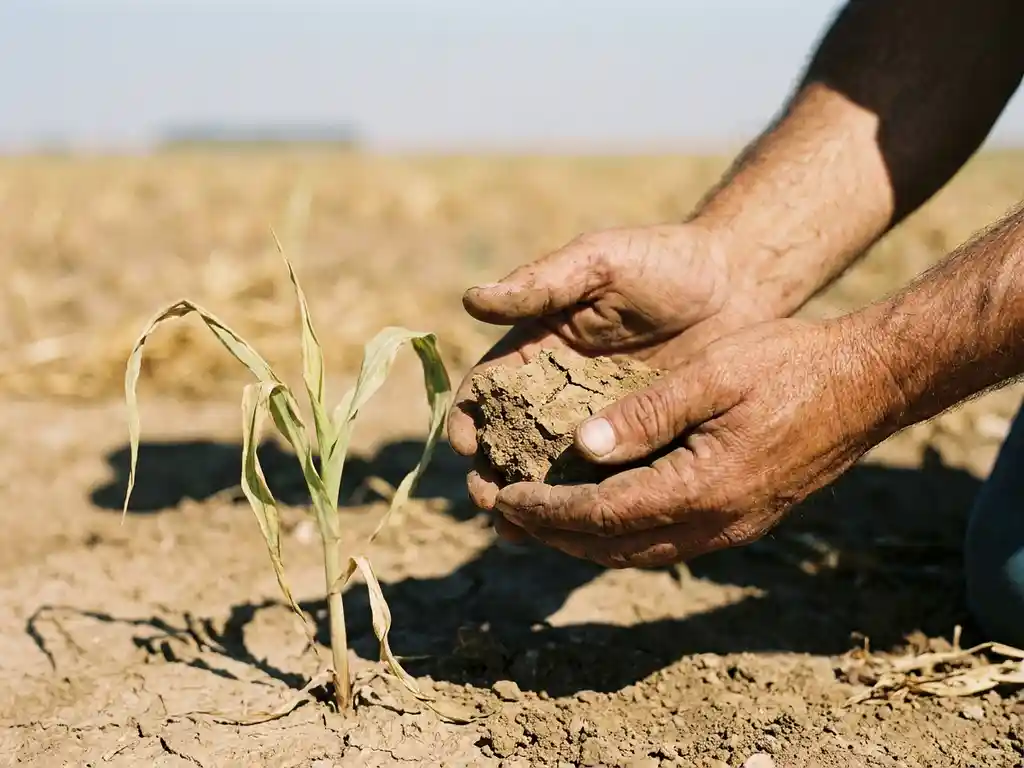
In 2026, SDG 13 (Climate Action) stands out as the most urgent sustainable development goal, largely because its window for meaningful intervention is narrowing faster than that of any other goal. The physical and economic consequences of missing climate targets compound all other development challenges, from food security to poverty reduction. Below, we unpack which goals are furthest behind, why climate urgency is distinct, and how research and technology organizations can help accelerate progress across the board.
Which SDGs are furthest behind their 2030 targets?
As of 2026, the SDGs most critically off track include SDG 1 (No Poverty), SDG 2 (Zero Hunger), SDG 13 (Climate Action), SDG 14 (Life Below Water), and SDG 15 (Life on Land). Progress across all 17 goals has slowed significantly since the disruptions of the early 2020s, and the UN’s own mid-term assessments have confirmed that fewer than 20% of SDG targets are on a trajectory to be met by 2030.
The picture is uneven but consistently concerning. Hunger levels have risen rather than fallen in many regions, reversing years of hard-won gains. Biodiversity loss continues at a rate that outpaces international agreements designed to slow it. Meanwhile, inequality within and between countries has widened, undermining progress on SDG 10 (Reduced Inequalities). What makes this moment particularly challenging is that these are not isolated setbacks. Each lagging goal feeds back into the others, creating compounding deficits that are increasingly difficult to reverse.
The most measurable shortfalls tend to cluster around goals that require systemic transformation rather than incremental improvement. Goals demanding coordinated policy change, sustained financing, and cross-border cooperation have consistently underperformed compared to goals that can be advanced through targeted, country-level interventions.
Why is SDG 13 considered the most time-sensitive goal?
SDG 13 is the most time-sensitive because climate change operates on physical timelines that do not respond to political cycles or funding delays. Unlike poverty reduction, which can be accelerated at any point with sufficient resources, carbon emissions accumulate in the atmosphere in ways that lock in warming for decades. The decisions made between now and 2030 will determine whether the 1.5°C threshold remains achievable or becomes a historical marker of a missed opportunity.
The urgency is also structural. Climate change is a threat multiplier. Extreme weather events disrupt food production, displacing progress on SDG 2. Rising sea levels threaten the infrastructure investments that underpin SDG 9 (Industry, Innovation and Infrastructure). Heatwaves reduce labor productivity in ways that deepen poverty. This means that falling behind on SDG 13 does not just represent a failure on climate terms alone. It actively erodes progress on nearly every other goal simultaneously.
There is also a technological dimension to the urgency. The transition to clean energy, sustainable agriculture, and resilient infrastructure requires deploying solutions at scale within a shrinking timeframe. Research and development cycles take years. Technologies that need to be mainstream by 2030 need to be in accelerated development and deployment right now, in 2026, to have any meaningful impact within the decade.
How does SDG urgency differ across regions and income levels?
SDG urgency is not uniform globally. Which goal demands the most immediate attention depends heavily on a country’s income level, geographic vulnerability, and existing institutional capacity. In lower-income countries across sub-Saharan Africa and South Asia, SDG 1 (No Poverty), SDG 3 (Good Health and Well-Being), and SDG 6 (Clean Water and Sanitation) often represent more immediate survival priorities than climate mitigation. In small island developing states, SDG 13 and SDG 14 are existential in the most literal sense.
High-income countries face a different profile of urgency. Their SDG gaps tend to cluster around SDG 10 (Reduced Inequalities), SDG 12 (Responsible Consumption and Production), and SDG 13, where consumption patterns and emissions profiles require structural economic transformation rather than basic service delivery. The challenge here is political will and economic disruption management rather than resource scarcity.
Middle-income countries often sit at a critical inflection point. They have sufficient institutional capacity to act but face competing development pressures that make prioritization genuinely difficult. For these countries, integrated approaches that link economic development with sustainability outcomes tend to deliver the most durable results. The risk is that short-term growth imperatives crowd out longer-term SDG commitments, particularly in the absence of strong international support and financing mechanisms.
What role do research and technology organizations play in accelerating SDG progress?
Research and technology organizations (RTOs) play a pivotal role in translating SDG commitments into practical, deployable solutions. They sit at the intersection of applied science and real-world implementation, making them uniquely positioned to bridge the gap between what is technically possible and what is operationally achievable at scale. Their contribution spans the full innovation chain, from early-stage research to technology transfer and policy advisory work.
RTOs contribute to SDG acceleration in several concrete ways:
- Technology development and transfer: RTOs develop clean energy systems, sustainable agricultural technologies, and climate-resilient infrastructure solutions that directly address SDG 7, 2, and 13 targets.
- Capacity building in national innovation systems: By strengthening the technical and institutional capabilities of local partners, RTOs help countries build the domestic expertise needed to sustain SDG progress beyond project cycles.
- Evidence-based policy support: RTOs provide governments with the data, modeling, and technical analysis needed to design effective SDG-aligned policies.
- Cross-sector collaboration: By connecting industry, government, and civil society around shared challenges, RTOs help create the multi-stakeholder coalitions that complex SDG problems require.
- Localization of global solutions: RTOs adapt internationally developed technologies and frameworks to local contexts, ensuring that solutions are not only technically sound but also culturally and economically viable.
The effectiveness of RTOs in this space depends significantly on their ability to collaborate across borders and disciplines. An RTO working in isolation on a regional problem may produce excellent research but limited impact. The same organization, embedded in a global network of peers, can access complementary expertise, co-develop solutions, and amplify results in ways that isolated institutions simply cannot match.
Should organizations prioritize one SDG or take an integrated approach?
Organizations should take an integrated approach rather than isolating a single SDG, because the goals are structurally interdependent. Focusing exclusively on one goal without accounting for its connections to others risks creating solutions that solve one problem while inadvertently worsening another. That said, integration does not mean spreading effort thinly across all 17 goals. It means identifying a primary focus area and designing interventions with the co-benefits and trade-offs of related goals explicitly in mind.
For example, an organization working on SDG 7 (Affordable and Clean Energy) will naturally influence SDG 13 outcomes through emissions reduction, SDG 8 (Decent Work) through green job creation, and SDG 9 through infrastructure development. Recognizing these linkages from the outset allows for smarter program design, more compelling funding cases, and more measurable systemic impact.
The integrated approach also reflects how the UN itself frames the SDG agenda. The 2030 Agenda explicitly describes the goals as indivisible and interconnected. Organizations that treat them as a checklist of separate commitments tend to underperform compared to those that map their core capabilities against a cluster of related goals and build their strategy around those intersections.
How WAITRO supports SDG progress in 2026
We work directly with research and technology organizations to build the capabilities and connections needed to accelerate SDG progress. For RTOs navigating the complexity of SDG priorities and integrated approaches, we offer concrete, structured support:
- Global network access: Our 135 Full Members and 45 Associate Members span multiple regions, enabling RTOs to find partners working on complementary SDG challenges and build cross-border coalitions.
- Capacity Development Program: Our Capacity Development Program strengthens the institutional skills RTOs need to design, coordinate, and communicate high-impact SDG-aligned projects, including thematic expertise in sustainability, AI, and digital transformation.
- Strategic partnerships: We connect members with world-leading research organizations and potential industry partners, opening pathways to bring research to market at the scale that SDG urgency demands.
- Knowledge sharing platforms: Through our programs and initiatives, we provide RTOs with access to the latest insights, methodologies, and frameworks for advancing sustainable development outcomes.
If your organization is looking to sharpen its SDG strategy or expand its global partnerships in 2026, join WAITRO and connect with a network built specifically to help research and technology organizations increase their reach and impact where it matters most.
