
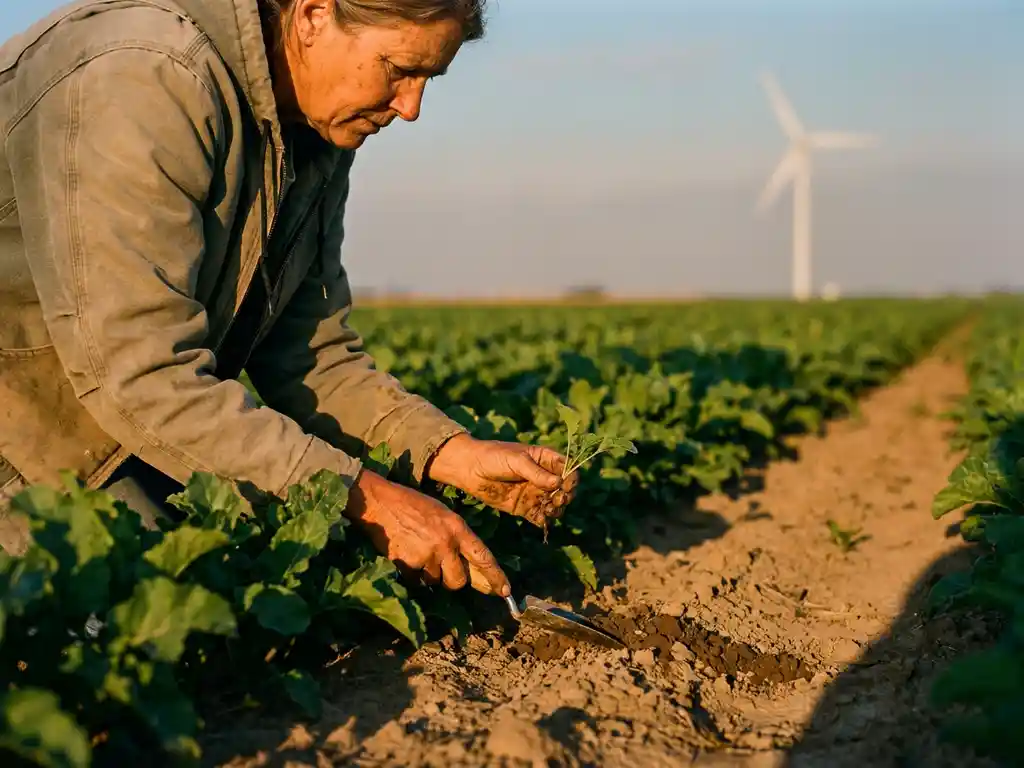
Climate innovation is the development and deployment of new technologies, processes, and systems designed to reduce greenhouse gas emissions, help societies adapt to climate impacts, and accelerate the transition to a sustainable global economy. It spans everything from renewable energy and carbon capture to climate-resilient agriculture and green urban infrastructure. The questions below unpack what climate innovation actually looks like in practice, who drives it, and how governments and NGOs can move it forward faster.
How does climate innovation differ from traditional environmental efforts?
Climate innovation goes beyond conventional environmental protection by focusing on creating entirely new solutions rather than managing or mitigating existing systems. Traditional environmental efforts often aim to reduce harm within established frameworks, such as regulating emissions from existing industries. Climate innovation, by contrast, seeks to replace those frameworks with cleaner, more efficient alternatives through breakthroughs in science, technology, and business models.
Traditional approaches might involve stricter pollution controls on a coal plant. Climate innovation asks whether that plant needs to exist at all, and then builds the clean technology infrastructure to make the transition viable. This distinction matters because the scale of the climate challenge demands transformation, not just improvement.
Green innovation also differs in its ambition for systemic change. It integrates scientific research, engineering, policy design, finance, and social behavior into a single challenge. A solar panel is a climate technology, but so is the financing mechanism that makes it affordable for a low-income household, or the grid management software that makes intermittent renewable energy reliable. Climate solutions are inherently cross-disciplinary.
Together, We Drive Innovation
Support global research, foster collaboration, and create a sustainable future.
What are the main types of climate innovation?
Climate innovation falls into several interconnected categories, each targeting a different part of the emissions and adaptation challenge. Understanding these types helps governments, researchers, and NGOs identify where their efforts can have the greatest impact.
- Energy transition technologies: Solar, wind, hydrogen, and advanced nuclear power that replace fossil fuels as the backbone of electricity and heat systems.
- Carbon removal and storage: Direct air capture, enhanced weathering, and nature-based solutions like reforestation that pull existing CO2 out of the atmosphere.
- Sustainable mobility: Electric vehicles, public transport electrification, and alternative fuels for aviation and shipping.
- Climate-smart agriculture and food systems: Precision farming, alternative proteins, and soil carbon sequestration that reduce the food sector’s significant emissions footprint.
- Climate adaptation technologies: Drought-resistant crops, early warning systems for extreme weather, and resilient urban infrastructure that help communities cope with impacts already locked in.
- Green industry and manufacturing: Low-carbon steel, cement, and chemical production processes that decarbonize hard-to-abate sectors.
Each of these areas requires sustained investment in research and development, as well as clear pathways from laboratory discovery to real-world deployment at scale.
Why is international collaboration essential for climate innovation?
International collaboration is essential for climate innovation because climate change is a borderless problem that no single country or institution can solve alone. The scientific knowledge, financial resources, and technological capabilities needed to develop and deploy climate solutions at the required speed and scale are distributed unevenly across the globe. Collaboration bridges those gaps.
Research breakthroughs in one country can be adapted and applied in another. A clean technology developed in a high-income economy may be exactly what a developing nation needs, but without structured knowledge-sharing and partnership frameworks, that transfer rarely happens efficiently. Cross-border collaboration also prevents duplication of effort, allowing research organizations worldwide to build on each other’s work rather than starting from scratch.
There is also a justice dimension. Many of the countries most vulnerable to climate impacts have contributed least to global emissions and have the fewest resources to invest in adaptation and clean technology. International collaboration creates mechanisms for sharing both the benefits of innovation and the responsibility for funding it. Sustainable innovation cannot succeed if it only serves wealthy nations.
How do research and technology organizations drive climate innovation?
Research and technology organizations (RTOs) are the engine rooms of climate innovation. They translate fundamental scientific discoveries into practical technologies, test those technologies in real-world conditions, and provide the technical expertise that governments and industries need to make informed decisions about deployment and policy.
RTOs occupy a unique position between universities and industry. They have the research rigor of academia combined with the applied, problem-solving orientation of the private sector. This makes them especially effective at bridging the gap between early-stage research and commercially viable climate solutions.
Their contributions to climate technology include:
- Developing and testing prototype clean energy systems before they reach commercial scale
- Providing independent technical assessments that help policymakers design effective climate regulations
- Building the skilled workforce that industries need to adopt and operate new green technologies
- Facilitating technology transfer between developed and developing economies
- Creating neutral spaces where competitors within an industry can collaborate on pre-competitive research challenges
The strength of an RTO’s global network directly affects its ability to drive climate innovation. Organizations connected to international peers gain access to a wider pool of expertise, funding opportunities, and potential partners for joint research initiatives.
What barriers slow down climate innovation adoption?
Several structural, financial, and institutional barriers slow the adoption of climate innovation, even when the underlying technologies are proven and ready. Recognizing these barriers is the first step toward removing them.
Funding gaps are among the most persistent obstacles. Early-stage climate technologies often struggle to attract private investment because the returns are uncertain and the timelines are long. Public funding is essential to de-risk this phase, but it is rarely sufficient or consistently available.
Regulatory and policy uncertainty discourages both investors and innovators. When governments change direction on climate commitments or fail to establish clear carbon pricing mechanisms, the business case for clean technology weakens. Stable, long-term policy frameworks are critical for creating the market conditions that innovation requires.
Capacity gaps in developing regions limit the ability of many countries to absorb and deploy climate technologies, even when those technologies are available. Without trained researchers, functioning institutions, and supportive infrastructure, the best climate solutions remain out of reach for the communities that need them most.
Siloed knowledge is another underappreciated barrier. When research institutions, governments, and industries operate in isolation, promising innovations stall at the handoff between sectors. Integrated collaboration platforms that connect these actors are essential for keeping innovation moving from discovery to deployment.
How can governments and NGOs accelerate climate innovation?
Governments and NGOs can accelerate climate innovation by creating the enabling conditions that allow research, technology, and investment to flow more freely toward climate solutions. This means acting on multiple fronts simultaneously rather than relying on any single lever.
Key actions include:
- Establishing long-term, predictable policy frameworks such as carbon pricing, clean energy mandates, and green procurement standards that give innovators and investors the confidence to commit resources.
- Increasing public investment in applied research and ensuring that publicly funded discoveries are accessible to the broader innovation ecosystem rather than locked behind institutional barriers.
- Building institutional capacity in research and technology organizations, particularly in developing regions, so that more countries can participate meaningfully in the global climate innovation effort.
- Facilitating international knowledge exchange by supporting networks and platforms that connect researchers, policymakers, and industry actors across borders.
- Aligning climate innovation with development goals so that clean technology adoption also addresses poverty, health, and food security, building broader political support for the transition.
NGOs play a particularly important role in ensuring that climate innovation reaches underserved communities and that the voices of vulnerable populations shape the direction of research and policy. Their proximity to local realities gives them insight that national governments and international bodies often lack.
How WAITRO supports climate innovation globally
We work at the intersection of research, technology, and international collaboration, making us a natural partner for governments and NGOs looking to advance climate innovation. Through our global network of research and technology organizations, we connect members with the partnerships, knowledge, and capacity-building resources they need to develop and deploy meaningful climate solutions.
Specifically, we support climate innovation by:
- Connecting RTOs across regions to facilitate joint research on clean technology and sustainable innovation
- Delivering institutional capacity building programs that strengthen the research organizations driving climate solutions in emerging economies
- Providing platforms for knowledge exchange among members working on shared climate challenges
- Supporting members in building cross-border partnerships that bring climate technologies from research to real-world application
- Aligning our programs with the UN Sustainable Development Goals to ensure our work contributes to the broader global sustainability agenda
If your organization is ready to be part of the global climate innovation effort, we invite you to explore WAITRO membership and discover how our network can amplify your impact.
Related Articles
- What is the difference between research ethics and research integrity?
- Why is consortium building so important for EU research funding?
- What Are the Ethics of International Research Collaboration?
- How Do Research Networks Enable Technology Transfer?
- Benchmarking Your Research Institute: How Networks Enable Comparison
