
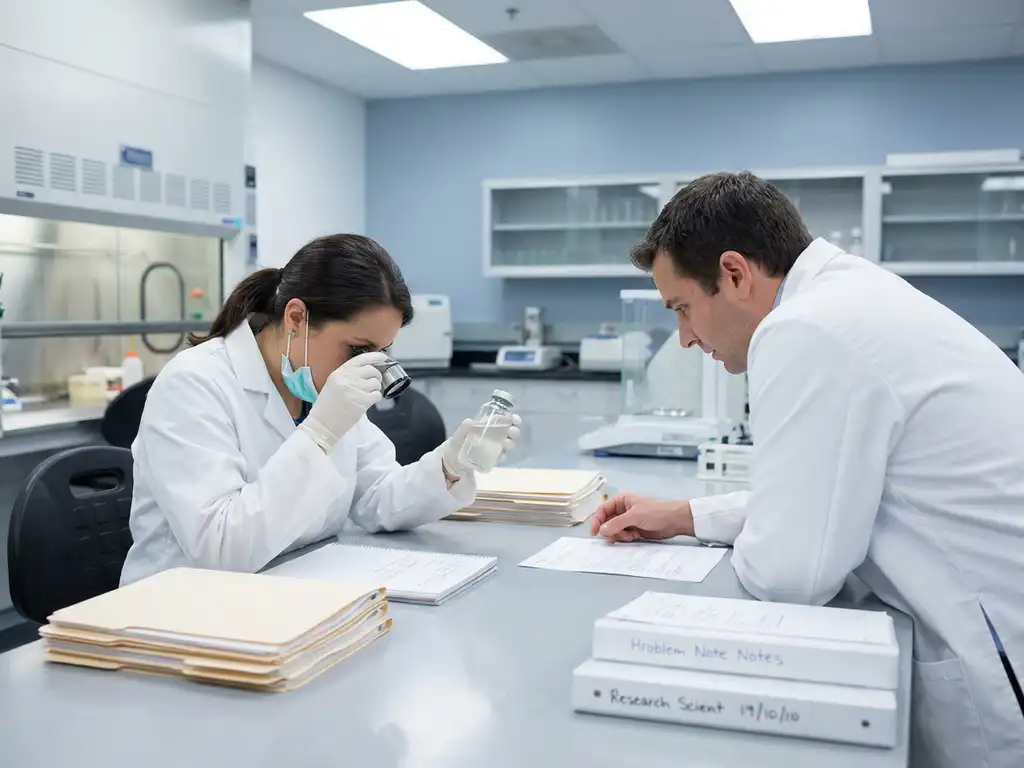
A material transfer agreement (MTA) is a legal contract that governs the transfer of research materials between institutions or organizations. MTAs protect intellectual property rights while enabling scientific collaboration by establishing clear terms for material use, publication rights, and commercialization restrictions. These research agreements are essential for maintaining legal compliance and fostering innovation across academic and commercial research partnerships.
What is a material transfer agreement and why do researchers need one?
A material transfer agreement is a binding legal document that defines the terms and conditions under which research materials are shared between parties. MTAs serve as the foundation for research collaboration by protecting the intellectual property of material providers while enabling recipients to conduct legitimate scientific research.
Researchers need MTAs because they provide legal protection and clarity for both parties involved in material sharing. The providing institution maintains control over how its materials are used, ensuring they cannot be commercialized without permission or shared with unauthorized third parties. For recipients, MTAs offer legal access to valuable research materials that might otherwise be unavailable.
These agreements play a fundamental role in scientific advancement by creating a structured framework for sharing resources. Without MTAs, many institutions would be reluctant to share proprietary materials due to concerns about intellectual property theft or unauthorized commercial use. The agreements balance protection with accessibility, enabling breakthrough research while safeguarding institutional interests.
What types of materials require a material transfer agreement?
Research materials requiring MTAs include biological samples, chemical compounds, software, datasets, and proprietary research tools. The scope covers virtually any tangible or intangible research asset with potential commercial value or intellectual property implications.
Biological materials commonly requiring MTAs include:
- Cell lines and tissue samples
- DNA sequences and genetic constructs
- Antibodies and proteins
- Bacterial and viral strains
- Plant varieties and seeds
Chemical and physical materials encompass novel compounds, specialized reagents, and unique research instruments. Software and digital assets include proprietary algorithms, databases, and analytical tools developed through institutional research efforts.
Academic disciplines requiring MTAs span biotechnology, pharmaceuticals, materials science, and information technology. Even seemingly basic materials like standard cell lines often require agreements due to their development history and potential commercial applications in drug discovery or diagnostic development.
How does the material transfer agreement process actually work?
The MTA process begins with a formal request from the receiving institution to the material provider. This typically involves completing application forms, describing the intended research use, and identifying key personnel who will handle the materials.
The step-by-step process includes:
- Initial request submission with research proposal details
- Legal review by both institutions’ technology transfer offices
- Term negotiation covering use restrictions and publication rights
- Final agreement execution with authorized signatures
- Material shipment following proper handling protocols
Timeline expectations vary significantly, ranging from several weeks for standard agreements to many months for complex negotiations. Simple academic-to-academic transfers using standard templates often conclude within 4–8 weeks, while commercial partnerships may require 3–6 months of negotiation.
Key stakeholders include researchers, institutional legal counsel, technology transfer offices, and sometimes external patent attorneys. Each party reviews different aspects of the agreement to ensure compliance with institutional policies and legal requirements.
What are the most common challenges with material transfer agreements?
Lengthy approval processes represent the most significant challenge researchers face with MTAs. Complex negotiations between institutional legal teams often extend timelines well beyond researchers’ project schedules, potentially delaying critical experiments and publication deadlines.
Conflicting institutional policies create additional obstacles when organizations have incompatible standard terms. Some institutions refuse to accept certain liability provisions, while others require broad indemnification clauses, leading to negotiation deadlocks that can take months to resolve.
Complex legal terminology and restrictive terms often surprise researchers who assume material sharing should be straightforward. Publication restrictions, commercialization limitations, and reach-through claims on future discoveries can significantly impact research freedom and career advancement.
Strategies for overcoming these barriers include early engagement with technology transfer offices, using standardized MTA templates when possible, and building relationships with institutional legal teams. Researchers should initiate MTA processes well in advance of actual material needs and maintain clear communication about project timelines and constraints.
How do you negotiate favorable terms in a material transfer agreement?
Successful MTA negotiation focuses on balancing IP protection with research flexibility. Key negotiation points include publication rights, commercialization terms, liability provisions, and use restrictions that align with your research objectives while addressing provider concerns.
Publication rights require careful attention to ensure academic freedom. Negotiate reasonable review periods (typically 30–60 days) for provider manuscript review rather than indefinite approval requirements. Establish clear timelines and dispute resolution procedures for publication disagreements.
Commercialization terms should distinguish between research use and commercial application. Seek broad research exemptions while acknowledging provider rights to future commercial opportunities. Consider reach-through provisions carefully, as these can affect ownership of subsequent discoveries made using the materials.
Liability provisions benefit from mutual protection rather than one-sided indemnification. Standard academic immunity and appropriate insurance coverage often satisfy institutional risk management requirements without creating excessive exposure for either party.
Building collaborative relationships with providers through transparent communication about research goals helps establish trust that facilitates more flexible terms. Demonstrating institutional credibility and research track records can influence provider willingness to accept more permissive agreement terms.
How WAITRO facilitates material transfer agreements for global research collaboration
WAITRO streamlines MTA processes for member organizations through standardized templates, best practice sharing, and facilitated international partnerships. Our global network enables efficient research partnerships by connecting institutions with compatible collaboration frameworks and reducing negotiation complexity across multiple regions.
Our comprehensive MTA support services include:
- Standardized agreement templates that reduce negotiation time
- Best practice guidance for technology transfer processes
- International partnership facilitation through our member network
- Legal framework harmonization across different jurisdictions
- Training programs for institutional technology transfer staff
Through our extensive network of research organizations, universities, and industry partners across multiple regions, we provide pathways for streamlined material sharing that supports innovation while protecting institutional interests. Our platform connects researchers with compatible institutions and facilitates collaborative agreements that advance sustainable development goals.
Ready to enhance your institution’s research collaboration capabilities? Join WAITRO to learn how our global network and standardized processes can accelerate your material transfer initiatives and expand your research partnerships worldwide.
