
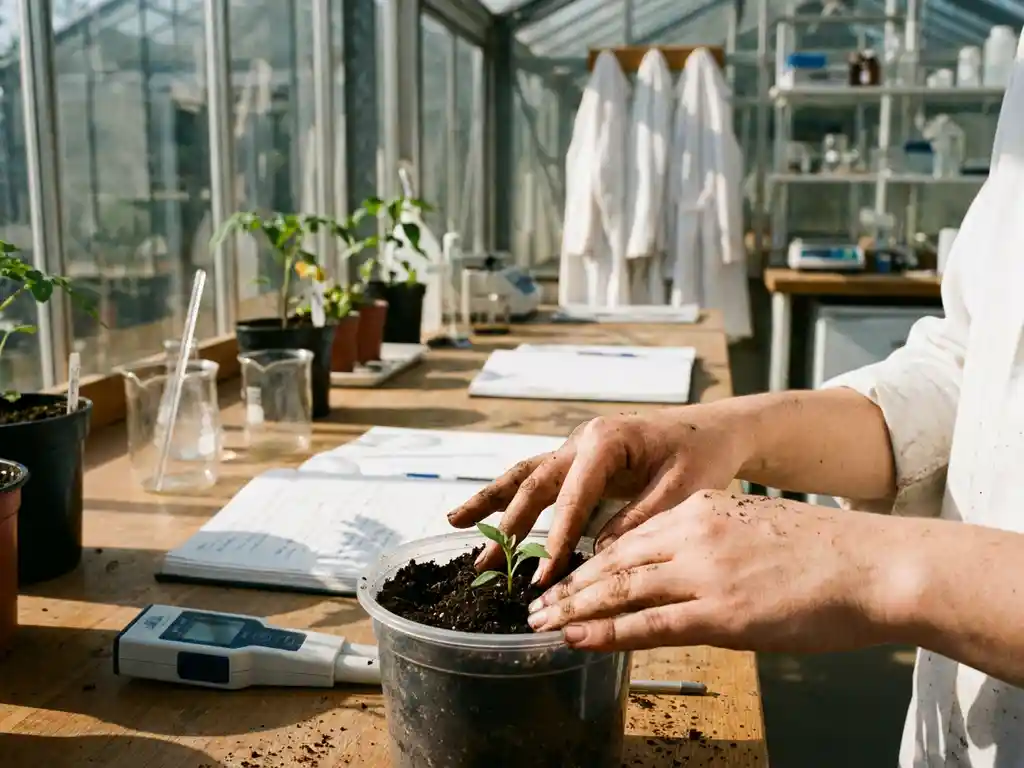
Green skills development programs are structured training initiatives that equip individuals with the knowledge, competencies, and technical abilities needed to work in environmentally sustainable industries and practices. These programs focus on building expertise in renewable energy, environmental management, sustainable agriculture, green construction, and climate adaptation technologies to support the transition to a low-carbon economy.
Outdated workforce skills are limiting your organization’s climate resilience
Many organizations struggle with a workforce that lacks the specialized knowledge needed for environmental compliance, energy efficiency, and sustainable operations. This skills gap leads to missed opportunities for cost savings through green technologies, increased regulatory risks, and difficulty attracting environmentally conscious talent. The solution lies in systematically identifying which roles require environmental competencies and investing in targeted green skills training that aligns with your industry’s sustainability requirements and regulatory landscape.
Generic training programs are failing to address sector-specific environmental challenges
Standard professional development often overlooks the unique environmental considerations of different industries, leaving employees unprepared for sector-specific sustainability challenges such as waste reduction in manufacturing or carbon accounting in logistics. This mismatch between training content and real-world environmental demands results in ineffective implementation of green practices and wasted training investments. Organizations need to seek specialized green skills programs that address their industry’s specific environmental impacts and regulatory requirements.
What are green skills development programs?
Green skills development programs are comprehensive training initiatives designed to build environmental competencies across various industries and job functions. They combine technical knowledge of sustainable practices with practical skills for implementing environmentally responsible solutions in the workplace.
These programs typically include both foundational environmental literacy and specialized technical training. Participants learn about climate science, environmental regulations, and sustainability principles while developing hands-on expertise in areas such as energy management, waste reduction, and green technology implementation. The training often incorporates real-world case studies and project-based learning to ensure practical application.
Effective green skills programs are tailored to specific industries and job roles, recognizing that a renewable energy technician needs different competencies than a sustainable supply chain manager. They also emphasize continuous learning, as environmental technologies and regulations evolve rapidly.
Why are green skills becoming essential for today’s workforce?
Green skills are becoming essential because the global economy is rapidly transitioning toward sustainable practices, driven by climate policies, consumer demand, and business cost savings. Workers without environmental competencies increasingly face limited career advancement opportunities and job security risks.
Regulatory changes are creating new compliance requirements across industries. The European Union’s Green Deal, carbon pricing mechanisms, and environmental disclosure mandates require workers who understand environmental reporting, emissions management, and sustainable operations. Companies that lack these capabilities face penalties and competitive disadvantages.
Market demand for sustainable products and services is reshaping entire sectors. Construction workers need green building expertise, financial professionals must understand ESG investing, and supply chain managers require knowledge of sustainable sourcing. This shift creates both opportunities for skilled workers and risks for those without relevant training.
What types of green skills do these programs typically cover?
Green skills development programs typically cover technical competencies such as renewable energy systems, environmental monitoring, and sustainable design, alongside soft skills such as systems thinking, stakeholder engagement, and change management for sustainability initiatives.
Technical skills often include energy efficiency assessment, waste management systems, water conservation technologies, and carbon footprint calculation. Programs may focus on specific technologies such as solar panel installation, green building certification processes, or environmental impact assessment methodologies.
Cross-cutting competencies encompass environmental regulations and compliance, sustainable procurement practices, life cycle assessment, and circular economy principles. Many programs also develop digital skills for environmental data analysis, sustainability reporting software, and green technology management systems.
Leadership and communication skills receive significant attention, as implementing sustainable practices requires influencing organizational culture, engaging stakeholders, and managing complex environmental projects across different departments and external partners.
How do green skills programs support the UN Sustainable Development Goals?
Green skills programs directly support multiple UN Sustainable Development Goals by building workforce capacity for sustainable development, particularly SDG 4 (Quality Education), SDG 8 (Decent Work), and SDG 13 (Climate Action), while enabling progress across environmental and social objectives.
These programs advance SDG 4 by providing inclusive, equitable education opportunities that prepare learners for sustainable development challenges. They create pathways for lifelong learning and skill development that are essential for adapting to environmental changes and technological advances.
For SDG 8, green skills training generates decent employment opportunities in emerging green sectors while helping traditional industries transition sustainably. This supports economic growth that does not compromise environmental integrity and creates jobs that contribute to environmental protection.
The programs enable climate action (SDG 13) by building capacity for climate adaptation and mitigation across all sectors. Workers trained in green skills become agents of change who can implement climate solutions, reduce emissions, and build resilience in their organizations and communities.
Who should participate in green skills development programs?
Green skills development programs benefit professionals across all industries and career levels, from entry-level workers seeking green job opportunities to senior executives leading sustainability transformations. Anyone whose role involves environmental impact, resource management, or future-focused decision-making should consider participation.
Early-career professionals gain competitive advantages and expanded job opportunities by developing environmental competencies alongside their core skills. Mid-career workers can transition into growing green sectors or add sustainability expertise to their existing roles, increasing their value and job security.
Senior leaders and managers need green skills to make informed decisions about sustainability investments, regulatory compliance, and long-term business strategy. Technical professionals in engineering, construction, agriculture, and manufacturing require specialized environmental knowledge to implement sustainable practices effectively.
Government employees, nonprofit workers, and educators also benefit significantly, as they often play key roles in developing and implementing environmental policies, programs, and public awareness initiatives.
How can organizations implement effective green skills programs?
Organizations can implement effective green skills programs by conducting skills gap assessments, partnering with specialized training providers, and integrating environmental competencies into existing professional development frameworks while ensuring leadership commitment and adequate resources.
Start with a comprehensive assessment of current workforce capabilities and future environmental skill requirements. This involves analyzing job roles for environmental responsibilities, reviewing upcoming regulatory requirements, and identifying sustainability goals that require new competencies.
Partner with reputable training organizations that offer industry-specific environmental education. Look for programs with practical components, recognized certifications, and experienced instructors who understand both environmental science and business applications.
Integrate green skills development into performance management, career progression pathways, and recruitment strategies. Create incentives for participation and recognize employees who successfully apply their training to improve environmental performance.
How WAITRO Supports Green Skills Development
We facilitate green skills development through our global network of research and technology organizations, connecting members with cutting-edge environmental training opportunities and collaborative projects. Our comprehensive approach includes:
- Access to specialized programs that build capacity in sustainable technologies and environmental innovation
- Networking opportunities with leading research institutions developing green skills curricula and training methodologies
- Knowledge sharing platforms where organizations exchange best practices in environmental workforce development
- Partnership facilitation between training providers and industry partners seeking green skills expertise
- Support for developing customized green skills programs through our services portfolio
Join us at the WAITRO Summit 2026 in Istanbul, Türkiye, from October 26–28, 2026. Under the theme “Leading the Path of Implementation: Strengthening Co-Creation for Our Common Future,” this summit provides an ideal platform to connect with global innovators in green skills development, explore collaborative training initiatives, and shape the future of environmental workforce development. Become a member to access our full range of green skills resources and join a community committed to building the sustainable workforce of tomorrow.
Related Articles
- What does a digital transformation strategy include for research organizations?
- How long does the technology transfer process typically take?
- How Do Research Institutes Communicate Science to the Public?
- What Are the Biggest Challenges in International Research Projects?
- What Are Centers of Excellence in Research?
