
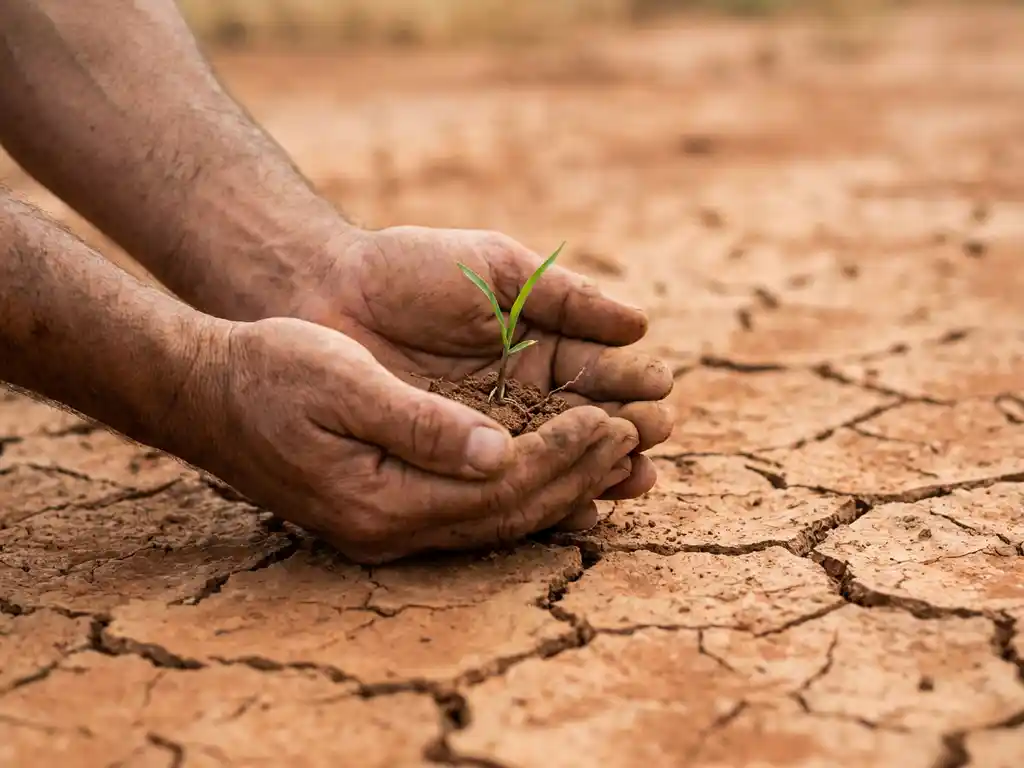
Yes, many critics argue that the Sustainable Development Goals are too ambitious, pointing to the scale and complexity of achieving 17 interconnected goals across 169 specific targets by 2030. The core concern is not that the goals are wrong in principle, but that the combination of unrealistic timelines, chronic funding shortfalls, and uneven implementation capacity makes full achievement virtually impossible for most countries. The sections below break down the most common criticisms and the strongest counterarguments.
What specific targets do critics say are unrealistic?
Critics of the SDGs most often point to targets that require transformational change within an extremely short window. Goals like ending poverty in all its forms everywhere (SDG 1), achieving zero hunger (SDG 2), and ensuring quality education for all (SDG 4) set a universal standard that many argue no country has ever achieved, let alone within a fixed global deadline.
The SDG feasibility debate intensifies when you look at specific numerical benchmarks. Targets calling for universal health coverage, clean water and sanitation for all, and full and productive employment for every person on the planet are aspirational by design. Critics argue that framing these as measurable commitments with a hard deadline sets governments up for failure rather than progress.
There is also concern that the goals were designed through a negotiation process that prioritized political consensus over technical realism. The result, some argue, is a list of what the world wants rather than what the world can credibly deliver within a generation.
Together, We Drive Innovation
Support global research, foster collaboration, and create a sustainable future.
Why do critics argue the 2030 deadline is unworkable?
Critics argue the 2030 deadline is unworkable because structural change at the scale the SDGs demand typically takes decades, not years. Building functioning institutions, reforming education systems, transitioning energy infrastructure, and reducing inequality are generational projects. A 15-year runway from the 2015 launch date was always extremely tight.
The COVID-19 pandemic made this argument more concrete. Years of development progress were reversed across multiple indicators, from poverty rates to child mortality to school enrollment. With 2026 now marking only four years remaining before the 2030 deadline, the gap between current trajectories and SDG targets has widened significantly in many regions.
Some development economists also note that the deadline creates perverse incentives. Governments may focus on metrics that are easiest to move quickly rather than tackling the deepest, most entrenched challenges. The pressure to show headline progress by 2030 can crowd out the slower, harder work of systemic reform.
What are the main funding gaps holding back SDG progress?
The primary funding gap holding back SDG progress is the difference between what developing countries can mobilize domestically and what the goals actually cost to implement. Estimates from international development bodies consistently place the annual financing shortfall in the trillions of dollars, a gap that official development assistance alone cannot close.
Several structural barriers drive this gap:
- Low domestic revenue capacity: Many lower-income countries lack the tax infrastructure to generate sufficient public funding for health, education, and infrastructure simultaneously.
- Debt service burdens: Countries spending a large share of national income on debt repayments have less fiscal space to invest in SDG-aligned programs.
- Private sector hesitation: Many SDG targets address public goods or serve low-income populations, which limits the commercial returns that would attract private investment at scale.
- Aid unpredictability: Donor contributions fluctuate with political cycles, making long-term planning difficult for recipient governments.
Critics argue that the SDGs were launched without a credible financing architecture to back them up. Setting ambitious goals without securing the means to fund them, they say, is a form of aspirational theater that ultimately undermines trust in global governance.
Do the 17 goals conflict with each other?
Yes, some of the 17 SDGs do create genuine tensions with each other in practice. The most commonly cited conflicts involve economic growth (SDG 8) pulling against environmental sustainability (SDGs 13, 14, and 15), and energy access (SDG 7) creating pressure on climate commitments depending on how that energy is generated.
For example, expanding industrial activity to reduce poverty and create jobs can increase carbon emissions and accelerate biodiversity loss. Similarly, large-scale agricultural expansion to address food security can conflict with forest preservation and water conservation goals. These are not hypothetical tensions; they play out in real policy decisions every day.
Defenders of the framework argue that the goals are designed to be addressed together, not in isolation, and that long-term sustainability requires balancing all 17 simultaneously. But critics counter that this integrated approach is precisely what makes implementation so difficult. When goals conflict, governments must make trade-offs, and there is no agreed mechanism within the SDG framework for deciding which goal takes priority.
How do critics say the SDGs fail developing nations?
Critics argue the SDGs fail developing nations in several important ways, starting with the fact that the goals apply a universal standard to countries with vastly different starting points, resources, and institutional capacities. A single global framework does not account for the reality that a low-income country recovering from conflict faces entirely different constraints than a middle-income country with functioning institutions.
There is also criticism around ownership and design. Although the SDG consultation process was broader than its predecessor framework, the Millennium Development Goals, many voices from the Global South argue that the final agenda still reflects priorities shaped disproportionately by wealthy nations and large international organizations.
A further concern is measurement. The SDG monitoring framework relies on data that many developing countries simply do not have the statistical capacity to collect. This creates a situation where progress is invisible not because it is not happening, but because the infrastructure to track it does not exist. Countries that lack data risk being penalized in global assessments despite genuine effort.
What do defenders of the SDGs say in response to these criticisms?
Defenders of the SDGs argue that the goals serve a critical function even if full achievement by 2030 is unlikely: they create a shared global language for development priorities, align funding and policy attention, and provide a framework for accountability that would not otherwise exist. The value of the SDGs, they say, is not just in the destination but in the direction they set.
On the question of ambition, many supporters argue that transformational change requires transformational goals. Setting targets at the level of what seems technically achievable in the short term risks locking in incremental progress when the scale of challenges like climate change and extreme poverty demands something more urgent.
Defenders also point to real progress made under the SDG framework across areas like renewable energy adoption, reductions in child mortality, and expanded access to financial services. They argue that attributing slow progress to the goals themselves misdiagnoses the problem. The issue is not that the goals are too ambitious but that political will, financing, and implementation capacity have not kept pace with the commitments made.
On the conflict between goals, supporters note that the SDG framework explicitly calls for integrated approaches and that the tensions between growth and sustainability, for example, are not unique to the SDGs but reflect genuine challenges that any development framework would have to navigate.
How WAITRO supports SDG implementation for research organizations
For research and technology organizations working to contribute meaningfully to the SDGs, the challenge is not just understanding the goals but building the institutional capacity to act on them effectively. This is where we at WAITRO provide concrete support.
Our Capacity Development Program is designed specifically to help RTOs strengthen the skills and systems they need to contribute to sustainable development at scale. Through this program, we offer:
- Strategic planning support to help organizations align their research priorities with SDG targets in a practical, measurable way
- Thematic expertise development in areas like AI, digital transformation, and sustainability, enabling members to deliver high-impact solutions in their fields
- Project coordination and communication training to improve how organizations manage cross-border collaborations and report on outcomes
- Access to a global network of 135 Full Members and 45 Associate Members, connecting RTOs with partners who share their development priorities
Whether you are looking to strengthen your organization’s role in the SDG ecosystem or build partnerships that translate research into real-world impact, we are here to help. Explore WAITRO membership and find out how joining our network can amplify your contribution to the goals that matter most.
Related Articles
- What are the key steps to developing an organization-wide digital transformation approach?
- When should a startup apply for research funding instead of venture capital?
- What Is a Research-Industry Partnership Agreement?
- What Is a Research Institute's Technology Readiness Level (TRL)?
- What Are the Key Performance Indicators for Research Institutes?
