
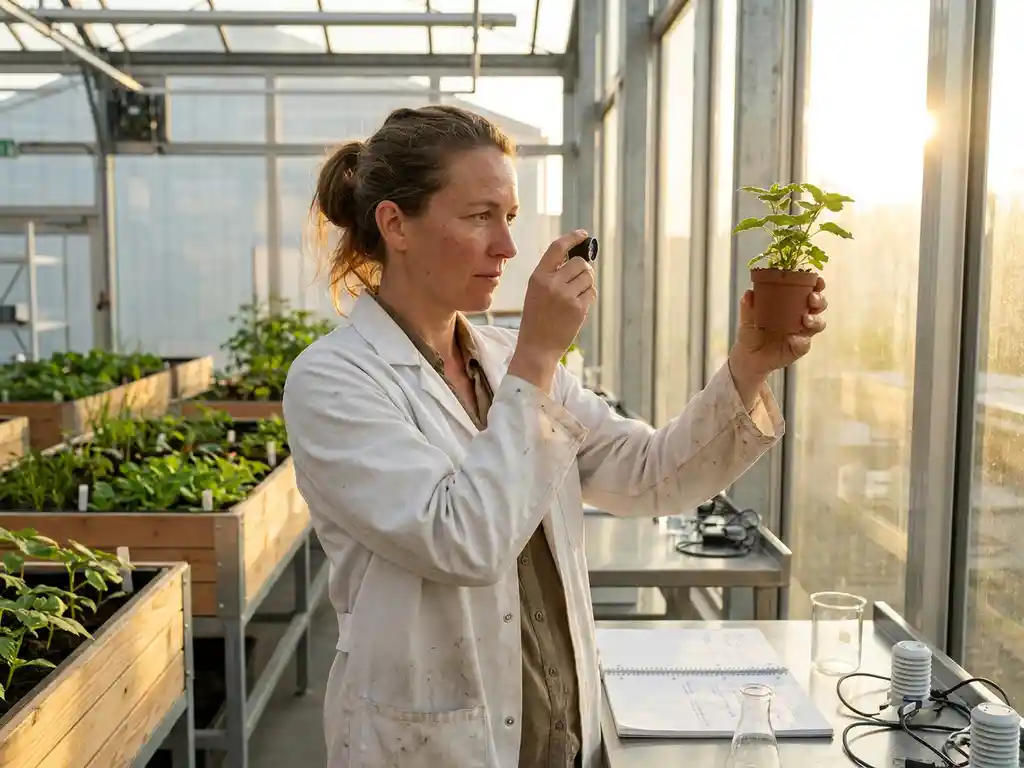
Climate adaptation technologies are tools, systems, and innovations designed to help communities and ecosystems adjust to the unavoidable impacts of climate change. These technologies range from flood barriers and drought-resistant crops to early warning systems and green infrastructure that reduce vulnerability to extreme weather events and changing environmental conditions.
Outdated infrastructure is costing communities their safety and economic stability
Many communities still rely on infrastructure built decades ago, when climate patterns were more predictable. This outdated approach leaves millions vulnerable to flooding, heat waves, and storms that are now more frequent and severe. The result is billions in damage costs, disrupted lives, and economic losses that compound year after year. Communities can break this cycle by investing in adaptive infrastructure, such as permeable pavements, upgraded drainage systems, and resilient building designs that work with changing climate conditions rather than against them.
Reactive emergency responses are draining resources that could prevent disasters
Too many organizations wait until climate disasters strike before taking action, spending enormous amounts on emergency response and recovery. This reactive approach costs far more than prevention and leaves communities repeatedly vulnerable to the same threats. A shift toward proactive climate adaptation technologies, such as early warning systems, climate monitoring networks, and predictive modeling, can help communities prepare for and prevent climate impacts before they become catastrophes.
What are climate adaptation technologies and why do they matter?
Climate adaptation technologies are innovations that help societies adjust to the impacts of climate change by reducing vulnerability and building resilience. They matter because they protect lives, preserve economic stability, and ensure communities can thrive despite changing environmental conditions.
These technologies address the reality that some degree of climate change is now unavoidable, regardless of mitigation efforts. While we work to reduce greenhouse gas emissions, we must simultaneously prepare for higher temperatures, altered precipitation patterns, sea level rise, and more frequent extreme weather events.
The importance of adaptation technology extends beyond immediate protection. These solutions help maintain agricultural productivity, protect water resources, preserve biodiversity, and ensure critical infrastructure continues functioning under new climate conditions. Without proper adaptation measures, climate change threatens to undermine decades of development progress and disproportionately impact the world’s most vulnerable populations.
What types of climate adaptation technologies exist?
Climate adaptation technologies fall into several key categories, including physical infrastructure, nature-based solutions, information systems, and agricultural innovations. Each type addresses specific climate risks while building overall community resilience.
Physical infrastructure adaptations include flood barriers, improved drainage systems, heat-resistant building materials, and upgraded transportation networks designed to withstand extreme weather. These hard-engineering solutions provide direct protection against climate impacts.
Nature-based solutions work with natural systems to provide climate resilience. Examples include restored wetlands for flood control, urban forests for cooling, living shorelines for coastal protection, and green roofs for stormwater management. These approaches often deliver multiple benefits while supporting ecosystem health.
Information and communication technologies enable better climate preparedness through early warning systems, climate monitoring networks, decision-support tools, and mobile apps that help communities respond to climate threats. Agricultural technologies include drought-resistant crop varieties, precision irrigation systems, climate-smart farming practices, and improved storage facilities that reduce post-harvest losses.
How do climate adaptation technologies help communities prepare for climate change?
Climate adaptation technologies help communities prepare by reducing exposure to climate risks, strengthening response capabilities, and building long-term resilience. They transform vulnerable systems into ones that can withstand and recover from climate impacts.
These technologies provide early warning capabilities that give communities time to prepare for approaching threats like hurricanes, floods, or heat waves. Advanced weather monitoring and predictive modeling allow for proactive evacuation, resource positioning, and protective measures that save lives and reduce damage.
Adaptation technologies also strengthen critical infrastructure to maintain essential services during climate events. Resilient power grids, water systems, and communication networks ensure communities can function even when facing extreme conditions. This continuity prevents minor climate impacts from cascading into larger disasters.
Long-term preparation involves transforming how communities are designed and managed. Climate-adapted urban planning, building codes, and land-use policies create environments that naturally resist climate impacts. These systemic changes build resilience that protects communities for generations.
What’s the difference between climate adaptation and mitigation technologies?
Climate adaptation technologies help communities adjust to the impacts of climate change, while mitigation technologies focus on reducing greenhouse gas emissions to prevent further climate change. Adaptation prepares for unavoidable changes; mitigation works to limit future warming.
Mitigation technologies include renewable energy systems, energy efficiency improvements, carbon capture and storage, and electric vehicles. These solutions address the root cause of climate change by reducing the greenhouse gases that drive global warming. Their success is measured by emissions reductions and their contribution to limiting temperature rise.
Adaptation technologies respond to climate impacts that are already occurring or inevitable due to past emissions. They include flood defenses, drought-resistant agriculture, cooling systems, and infrastructure upgrades. Success is measured by reduced vulnerability, maintained functionality during climate events, and community resilience.
Many technologies serve both purposes simultaneously. Solar panels reduce emissions while providing energy security during grid outages. Green buildings lower energy use while staying comfortable in extreme temperatures. Sustainable urban planning reduces transportation emissions while creating climate-resilient communities. This overlap makes integrated approaches particularly valuable for addressing climate challenges comprehensively.
How can organizations implement climate adaptation technologies effectively?
Effective implementation requires climate risk assessment, stakeholder engagement, appropriate technology selection, and adaptive management approaches. Organizations must understand their specific vulnerabilities before choosing and deploying adaptation solutions.
The process begins with a comprehensive climate risk assessment that identifies current and projected climate threats, evaluates existing vulnerabilities, and prioritizes areas for intervention. This assessment should consider multiple climate scenarios and time horizons to ensure solutions remain effective as conditions change.
Technology selection must match local conditions, available resources, and community needs. Solutions should be technically appropriate, financially sustainable, and socially acceptable to ensure long-term success. Pilot projects allow organizations to test approaches before full-scale implementation.
Successful implementation also requires building local capacity, establishing maintenance systems, and creating monitoring programs to track performance. Organizations should plan for technology updates and improvements as climate conditions evolve and new solutions become available. Collaboration with other organizations and communities can share costs and expertise while building regional resilience.
How WAITRO Helps with Climate Adaptation Technologies
We connect research organizations, universities, and industry partners worldwide to accelerate the development and deployment of climate adaptation solutions. Through our global network of 180 members across multiple regions, we facilitate collaboration that transforms climate research into practical technologies that protect communities.
Our comprehensive services support climate adaptation technology development through:
- International research partnerships that combine expertise from different regions and disciplines
- Capacity-building programs that strengthen institutional abilities to develop and implement adaptation solutions
- Knowledge-sharing platforms that connect researchers working on similar climate challenges
- Technology transfer initiatives that bring laboratory innovations to real-world applications
- Funding opportunities that support collaborative climate adaptation research projects
Our impact extends across the globe, with members developing everything from drought-resistant agricultural technologies to flood-resilient urban infrastructure. We believe that addressing climate adaptation requires global cooperation and shared innovation.
Join us at the WAITRO Summit 2026 in Istanbul, Türkiye, from October 26–28, 2026. Under the theme “Leading the Path of Implementation: Strengthening Co-Creation for Our Common Future,” this summit will bring together climate adaptation innovators, researchers, and practitioners to share breakthrough technologies and forge partnerships that accelerate climate resilience worldwide. Become a member today and be part of a global movement creating the climate adaptation technologies our world needs.
