
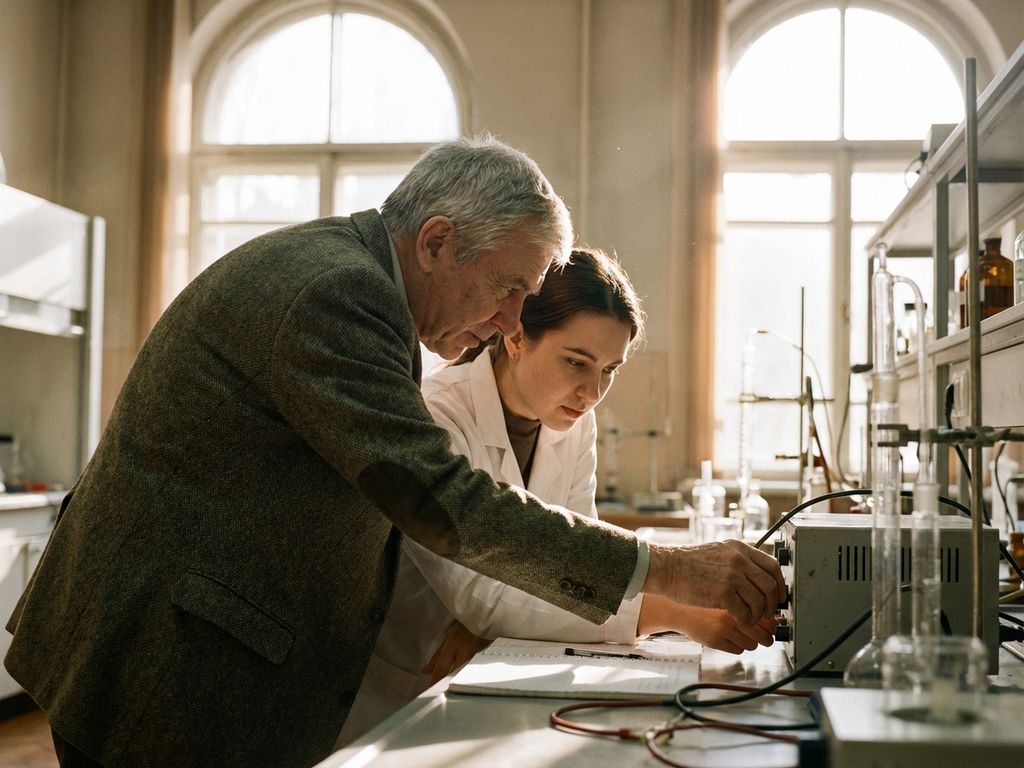
Research institutes train the next generation through immersive, hands-on experiences that blend real-world problem-solving with mentorship from leading scientists. Unlike traditional classroom education, research institute training emphasizes experimental work, cutting-edge technology exposure, and collaborative learning environments. This comprehensive approach develops both technical expertise and critical thinking skills essential for advancing scientific knowledge and addressing global challenges.
What makes research institute training different from traditional education?
Research institute training differs fundamentally from traditional education by prioritizing hands-on experimentation over theoretical learning. Students work directly on real research projects, gaining practical experience with advanced laboratory equipment and methodologies while contributing to actual scientific discoveries.
The learning environment emphasizes problem-based discovery rather than passive information absorption. Trainees encounter genuine research challenges without predetermined solutions, developing resilience and creative thinking skills essential for scientific advancement. This approach mirrors the unpredictable nature of real research work.
Direct mentorship from experienced scientists provides personalized guidance unavailable in large lecture halls. Trainees receive immediate feedback on their work, learn from failures, and develop professional networks that support their career development. Access to cutting-edge technologies and research facilities further distinguishes this training from conventional academic programs.
How do research institutes identify and recruit promising young talent?
Research institutes identify promising talent through strategic partnerships with universities, scholarship programs, and competitive selection processes. They actively seek students who demonstrate curiosity, analytical thinking, and passion for scientific inquiry beyond academic grades alone.
Academic partnerships serve as primary talent pipelines, with institutes collaborating closely with university departments to identify exceptional students. These relationships often include guest lectures, joint research projects, and early exposure opportunities that help institutes spot emerging talent.
Structured internship programs and research competitions provide practical assessment opportunities. Students demonstrate their abilities through real project work, allowing institutes to evaluate problem-solving skills, teamwork capabilities, and research aptitude. Many successful researchers begin their careers through these competitive entry points.
What essential skills do research institutes focus on developing?
Research institutes prioritize developing critical thinking, experimental design, and data analysis capabilities as foundational skills for next generation scientists. These core competencies enable trainees to approach complex problems systematically and draw meaningful conclusions from their investigations.
Scientific communication receives significant attention, as researchers must effectively share their findings with diverse audiences. Training includes technical writing, presentation skills, and the ability to explain complex concepts clearly. This communication focus ensures research impact extends beyond laboratory walls.
Collaboration skills and adaptability to emerging technologies round out the essential skill set. Modern research requires interdisciplinary teamwork and continuous learning as new methodologies emerge. Institutes emphasize flexibility and openness to new approaches, preparing trainees for evolving research landscapes.
How do mentorship programs work in research institute environments?
Mentorship programs in research institutes operate through structured relationships pairing experienced scientists with emerging researchers. These formal arrangements ensure consistent guidance while allowing natural mentor-mentee bonds to develop through shared research interests and compatible working styles.
The mentorship structure typically includes regular one-on-one meetings, collaborative project work, and gradual independence development. Mentors provide technical guidance, career advice, and professional network introductions while encouraging critical thinking and independent problem-solving.
Peer learning networks complement formal mentorship, creating collaborative environments where trainees learn from colleagues at similar career stages. These informal relationships often prove equally valuable, providing emotional support and diverse perspectives on research challenges and career development.
What role does international collaboration play in training future researchers?
International collaboration exposes trainees to diverse research methodologies, cultural perspectives, and global scientific networks. These experiences broaden understanding of how different research communities approach similar challenges and develop innovative solutions.
Exchange programs and joint research projects provide immersive international experiences that enhance research capacity building. Trainees work alongside international colleagues, learn new techniques, and develop cross-cultural communication skills essential for global scientific collaboration.
Global research networks facilitate knowledge sharing and collaborative problem-solving on challenges that transcend national boundaries. These partnerships expose future researchers to international standards, funding opportunities, and career pathways while contributing to addressing worldwide scientific and technological challenges.
How WAITRO supports next generation researcher development
WAITRO enhances research institute training capabilities worldwide through comprehensive capacity building programs and international partnership facilitation. Our global network connects research organizations, enabling knowledge sharing and collaborative training initiatives that strengthen scientific talent development across diverse regions through our programs.
Our specific support includes:
- Capacity building services that strengthen institutional training capabilities
- International partnership facilitation connecting institutes with complementary expertise
- Knowledge-sharing platforms enabling best-practice exchange
- Professional development opportunities for research mentors and trainers
- Access to global research networks and collaborative projects
Ready to enhance your organization’s researcher training capabilities? Connect with WAITRO to explore membership opportunities, access our capacity building resources, and join our global network of leading research institutions committed to developing the next generation of scientists and innovators through our impactful initiatives.
