
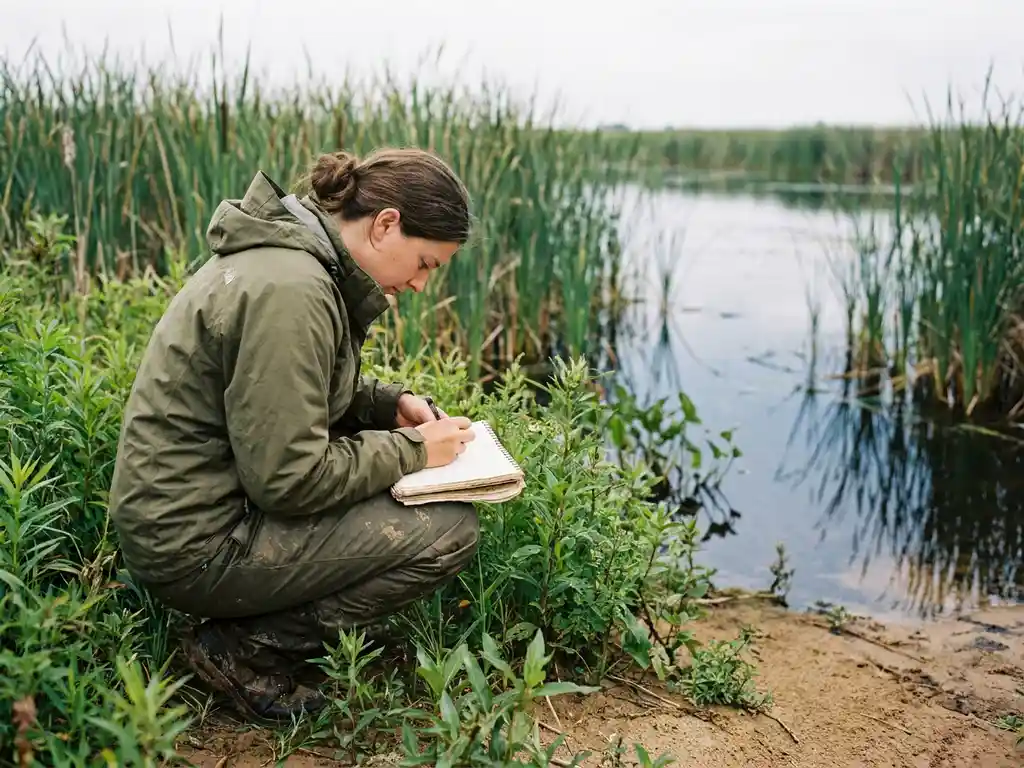
The Sustainable Development Goals directly support biodiversity conservation by embedding the protection of ecosystems, species, and natural habitats into a legally and politically recognized global framework. SDG 14 (Life Below Water) and SDG 15 (Life on Land) serve as the primary biodiversity-focused goals, but at least a dozen other SDGs reinforce conservation outcomes through climate action, sustainable agriculture, clean water, and responsible production. The sections below break down how each relevant goal contributes and why the connections between them matter.
Which specific SDGs directly address biodiversity conservation?
Two SDGs directly address biodiversity conservation: SDG 14 (Life Below Water) and SDG 15 (Life on Land). SDG 14 focuses on protecting and sustainably using marine and coastal ecosystems, while SDG 15 targets terrestrial biodiversity, forests, wetlands, and soil health. Together, these two goals form the backbone of the UN’s biodiversity agenda within the 2030 framework.
Beyond these two anchors, several other goals create conditions that either enable or undermine biodiversity outcomes. SDG 13 (Climate Action) addresses the single largest long-term driver of species loss. SDG 6 (Clean Water and Sanitation) protects freshwater ecosystems that countless species depend on. SDG 2 (Zero Hunger) shapes how agricultural land is managed, directly affecting habitat availability. And SDG 12 (Responsible Consumption and Production) targets the overconsumption patterns that drive habitat destruction and wildlife trade.
The key insight from the sustainable development goals biodiversity framework is that no single goal can protect nature in isolation. Biodiversity loss is driven by multiple, overlapping pressures, and the SDG architecture reflects that by spreading responsibility across the entire agenda.
Together, We Drive Innovation
Support global research, foster collaboration, and create a sustainable future.
How does SDG 15 protect terrestrial ecosystems and species?
SDG 15, “Life on Land,” protects terrestrial ecosystems by setting specific targets to halt deforestation, restore degraded land, combat desertification, prevent the extinction of threatened species, and reduce the illegal trade in wildlife. It is the most comprehensive international commitment to land-based biodiversity conservation within the sustainable development framework.
The goal includes concrete sub-targets with measurable timelines. These include halting deforestation, restoring degraded forests and ecosystems, ensuring the conservation of mountain ecosystems, and integrating biodiversity values into national and local planning. It also calls for fair and equitable sharing of benefits arising from genetic resources, which directly supports the preservation of biological diversity at the species level.
What makes SDG 15 Life on Land particularly powerful is its recognition that terrestrial biodiversity loss is not just an environmental problem but an economic and social one. Forests regulate water cycles, stabilize soils, and support the livelihoods of over a billion people. Protecting them is therefore both a conservation imperative and a development priority, which is exactly the kind of integrated logic the SDG framework is built on.
What role does SDG 14 play in marine biodiversity conservation?
SDG 14, “Life Below Water,” plays a central role in marine biodiversity conservation by committing nations to reduce ocean pollution, protect coastal and marine areas, end overfishing, and address ocean acidification. It recognizes that marine ecosystems, which cover more than 70% of the Earth’s surface, are under severe pressure from human activity and require dedicated, targeted protection.
The goal’s targets are both preventive and restorative. On the prevention side, SDG 14 calls for significantly reducing marine pollution, especially from land-based sources, and minimizing the impacts of ocean acidification. On the restoration side, it sets targets for sustainably managing fisheries and rebuilding fish stocks, as well as increasing the coverage of protected marine areas.
One of the most significant contributions of SDG 14 Life Below Water to biodiversity and sustainable development is its framing of oceans as productive systems that human economies depend on. Coral reefs, mangroves, and seagrass beds are not just habitats for marine species. They are also buffers against coastal flooding, nurseries for commercial fish stocks, and carbon sinks. Protecting them serves both ecological and economic purposes, making the case for conservation politically viable.
How do climate change SDGs indirectly support biodiversity?
Climate change SDGs, particularly SDG 13 (Climate Action), indirectly support biodiversity by targeting the environmental conditions that determine whether species can survive and ecosystems can function. Rising temperatures, shifting rainfall patterns, and extreme weather events are among the leading causes of habitat degradation and species extinction, making climate mitigation and adaptation essential to any serious biodiversity strategy.
The relationship works in both directions. Protecting biodiversity helps achieve climate goals because healthy forests, wetlands, and soils store enormous amounts of carbon. Conversely, reducing greenhouse gas emissions slows the pace of habitat change, giving species more time to adapt. This mutual reinforcement is why the scientific community increasingly treats climate and biodiversity as two sides of the same crisis rather than separate issues.
Other SDGs contribute indirectly as well. SDG 7 (Affordable and Clean Energy) reduces reliance on fossil fuels and the land degradation associated with extractive industries. SDG 11 (Sustainable Cities and Communities) encourages urban planning that preserves green corridors and reduces the urban heat island effect. SDG 2 (Zero Hunger) promotes sustainable agriculture practices that reduce the conversion of natural habitats to farmland. Each of these goals, while not explicitly about biodiversity, shapes the pressures that ecosystems face.
Why is cross-SDG integration essential for effective biodiversity outcomes?
Cross-SDG integration is essential for effective biodiversity outcomes because biodiversity loss is caused by multiple, simultaneous pressures that no single goal can address alone. Treating SDG 14 and SDG 15 as standalone commitments while ignoring the agricultural, climate, and consumption patterns addressed by other goals will produce fragmented results at best and counterproductive ones at worst.
Consider a practical example: a country might meet its SDG 15 targets for protected area coverage while simultaneously expanding industrial agriculture in ways that fragment the habitats surrounding those protected zones. Without integrating SDG 2 commitments around sustainable land use, the protected areas become isolated islands, which dramatically reduces their effectiveness for species that require large, connected territories.
The same logic applies across the SDG framework. Water quality targets under SDG 6 directly affect freshwater biodiversity. Sustainable fisheries under SDG 14 depend on reducing the land-based pollution addressed by SDG 12. Forest conservation under SDG 15 is undermined if SDG 13 climate commitments are not met, because even well-protected forests become vulnerable to fire, drought, and pest outbreaks in a warming climate.
Effective UN SDGs biodiversity policy therefore requires governments, research institutions, and international organizations to work across goal boundaries, designing interventions that create positive feedback loops rather than isolated wins.
How WAITRO supports SDG-driven biodiversity goals
Research and technology organizations are uniquely positioned to advance SDGs and biodiversity because they bridge the gap between scientific knowledge and practical implementation. RTOs develop the monitoring technologies, ecological models, and sustainable land-use solutions that governments and industries need to meet their SDG commitments. They also serve as trusted intermediaries between policymakers, local communities, and international frameworks.
Specific contributions RTOs make include:
- Developing remote sensing and data analytics tools for ecosystem monitoring and species tracking
- Conducting applied research on sustainable agriculture, forestry, and fisheries management
- Supporting environmental impact assessments that inform land-use policy
- Translating global biodiversity frameworks into actionable national and regional strategies
- Building capacity within local institutions to implement and evaluate conservation programs
At WAITRO, we support this work through our global network and our Capacity Development Program, which strengthens RTOs’ ability to deliver high-impact solutions in thematic areas including sustainability and environmental science. We help member organizations build the strategic planning, cross-border collaboration, and technical expertise needed to contribute meaningfully to biodiversity conservation SDGs at both regional and global scales.
If your organization is working on biodiversity-related research or looking to connect with partners advancing the SDG agenda, reach out to us to explore how WAITRO membership can amplify your impact.
