
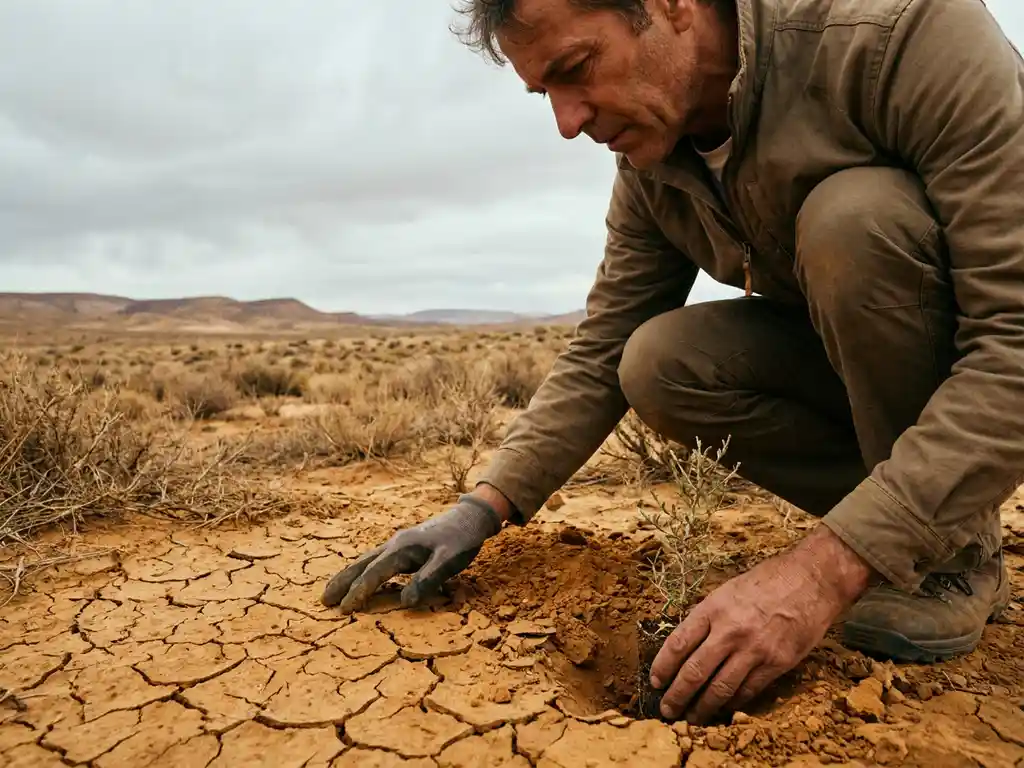
Climate adaptation research and climate mitigation research are two distinct but complementary fields of climate science. Adaptation research focuses on how humans, ecosystems, and institutions can adjust to the effects of a changing climate, while mitigation research focuses on reducing or preventing the greenhouse gas emissions that cause climate change in the first place. Both are essential, and together they form the backbone of a comprehensive response to the climate crisis.
The distinction matters enormously for policymakers, research organizations, and funding bodies, because the two fields call for different methodologies, stakeholder networks, and policy frameworks. The sections below unpack each area in detail and address the most common questions researchers and decision-makers ask when navigating this space.
What does climate adaptation research actually focus on?
Climate adaptation research focuses on understanding how societies, ecosystems, and infrastructure can prepare for and respond to the impacts of climate change that are already occurring or are projected to occur. Rather than asking how to stop warming, adaptation research asks how to live with its consequences in ways that protect people, livelihoods, and natural systems.
This field covers a wide range of topics, including sea-level rise preparedness, drought-resistant agriculture, urban heat island management, early warning systems for extreme weather events, and the design of climate-resilient infrastructure. It draws on disciplines as varied as hydrology, public health, urban planning, economics, and social science.
A key feature of adaptation research is its local and context-specific nature. A coastal community in Bangladesh faces very different adaptation challenges than a semi-arid farming region in sub-Saharan Africa or a mountain city in the Andes. This means adaptation research must be deeply embedded in local knowledge, governance structures, and development priorities, making cross-border knowledge exchange through global research networks especially valuable.
What does climate mitigation research aim to achieve?
Climate mitigation research aims to identify, develop, and scale solutions that reduce the concentration of greenhouse gases in the atmosphere, thereby limiting the extent of future warming. Its primary goal is to address the root causes of climate change rather than its symptoms.
The scope of mitigation research is broad and technically intensive. Major areas include:
- Renewable energy technologies such as solar, wind, and green hydrogen
- Energy efficiency improvements across industry, transport, and buildings
- Carbon capture, utilization, and storage (CCUS) technologies
- Land use and forestry practices that sequester carbon
- Low-carbon materials and circular economy approaches
- Policy and economic instruments such as carbon pricing and emissions trading
Mitigation research tends to be more technology-driven and globally applicable than adaptation research, since greenhouse gas reductions in one part of the world benefit the entire planet. This global public good quality makes it a natural focus for international scientific collaboration and joint research programs.
What’s the key difference between adaptation and mitigation research?
The key difference between climate adaptation and mitigation research lies in their orientation: mitigation research targets the causes of climate change by reducing emissions, while adaptation research targets the consequences by building resilience to impacts that are already locked in or unavoidable. In short, mitigation asks how to slow climate change; adaptation asks how to cope with it.
This distinction has practical implications for how research is designed, funded, and applied:
- Timescale: Mitigation research tends to focus on long-term systemic change, while adaptation research often addresses urgent, near-term vulnerabilities.
- Geography: Mitigation benefits are global, while adaptation benefits are highly localized.
- Stakeholders: Mitigation research frequently engages energy companies, engineers, and economists, while adaptation research more often involves community leaders, public health officials, and urban planners.
- Metrics of success: Mitigation is measured in tonnes of CO2 equivalent avoided; adaptation is measured in reduced losses, improved resilience, and protected livelihoods.
Neither approach is sufficient on its own. Even in an optimistic emissions scenario, significant warming is already committed due to past emissions, making adaptation research a necessity. Equally, adaptation without mitigation simply delays increasingly severe impacts.
Can a research project address both adaptation and mitigation?
Yes, a research project can and often should address both adaptation and mitigation. Many of the most impactful areas of climate science sit at the intersection of the two, and integrating both perspectives into a single research agenda is increasingly recognized as best practice in sustainable development research.
Projects that deliver co-benefits across both areas are sometimes called “mitigation-adaptation nexus” research. Examples include:
- Agroforestry systems that sequester carbon (mitigation) while improving farm resilience to drought (adaptation)
- Urban green infrastructure that reduces heat stress (adaptation) while absorbing CO2 (mitigation)
- Mangrove restoration that protects coastlines (adaptation) while storing significant amounts of carbon (mitigation)
- Sustainable urban mobility systems that cut transport emissions (mitigation) while reducing air pollution health risks (adaptation)
Designing research projects that pursue both goals simultaneously tends to attract broader funding interest and produces findings with wider policy relevance. It also reflects the reality that communities on the front lines of climate change need solutions that work across multiple dimensions at once.
Which research area receives more international funding?
Historically, climate mitigation research has received significantly more international funding than climate adaptation research. This reflects the global public good nature of emissions reductions and the strong commercial interest in clean energy technologies, which attract both public and private investment.
However, the funding gap between mitigation and adaptation has become a major concern in international climate policy discussions. Developing countries, which are often the most vulnerable to climate impacts despite contributing relatively little to historical emissions, have consistently called for greater investment in adaptation research and implementation. International frameworks such as the Paris Agreement include explicit commitments to scaling up adaptation finance, and multilateral development banks have been increasing their adaptation portfolios in recent years.
For research organizations, this shifting landscape creates real opportunities. Funders, including the Green Climate Fund, the Adaptation Fund, bilateral development agencies, and regional innovation programs, are actively seeking research partners with the capacity to deliver credible, locally grounded adaptation work. Organizations that can demonstrate both technical expertise and strong regional networks are particularly well-positioned to access this growing stream of support.
How do global research networks support both types of climate research?
Global research networks support both climate adaptation and mitigation research by connecting institutions across geographies, enabling knowledge sharing, facilitating joint projects, and helping research organizations build the institutional capacity needed to compete for international funding and partnerships.
For adaptation research, networks are especially valuable because they create bridges between communities with direct experience of climate impacts and institutions with the technical resources to study and respond to them. A research organization in Southeast Asia working on flood resilience, for example, can draw on methodologies developed by partners in the Netherlands or Bangladesh, shortening the learning curve and improving the quality of locally relevant solutions.
For mitigation research, networks accelerate the diffusion of clean technology knowledge, help smaller research organizations access cutting-edge developments in renewable energy or carbon capture, and create the collaborative infrastructure needed for large-scale joint research programs that no single institution could undertake alone.
How WAITRO supports climate adaptation and mitigation research
We at WAITRO are uniquely positioned to help research and technology organizations strengthen their contribution to both climate adaptation and mitigation research. As the largest global network of research organizations, research universities, and industry partners, we provide the connections, programs, and institutional support that translate research ambition into real-world impact.
Here is how we can help:
- Cross-border partnerships: We connect members with leading research organizations worldwide, enabling joint climate research projects that combine local knowledge with global expertise.
- Institutional capacity building: Our capacity development programs help RTOs strengthen the organizational capabilities they need to design, manage, and deliver high-quality climate research.
- Access to innovation ecosystems: We link members to industry partners and funding opportunities aligned with the UN SDGs, including SDG 13 on climate action.
- Knowledge exchange: Through events, working groups, and collaborative platforms, we facilitate the sharing of research insights across adaptation and mitigation disciplines.
- Strategic visibility: Membership in our network amplifies the reach and recognition of your organization’s climate research work on the international stage.
Whether your organization is focused on climate resilience, clean energy, sustainable land use, or integrated climate solutions, we are here to help you connect, collaborate, and scale your impact. Explore WAITRO membership and discover how our global network can support your climate research goals.
