Transforming sugarcane bagasse into affordable, biodegradable sanitary pads to reduce agricultural waste, support sustainable manufacturing, and improve access to menstrual hygiene products.
Date:
-
Location:
Uganda
Partners:
-
Research Area:
Decarbonizing Industry & Circular Economy
Sustainable Development Goals:
03 - Good Health and Well-Being, 05 - Gender Equality, 08 - Decent Work and Economic Growth, 09 - Industry, Innovation and Infrastructure, 12 - Responsible Consumption and Production
Sugarcane Waste into Sustainable Menstrual Care Products
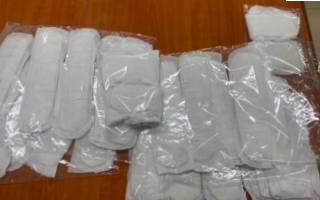
The Uganda Industrial Research Institute (UIRI) has developed a sustainable menstrual hygiene product that transforms sugarcane bagasse into the absorbent core of biodegradable disposable sanitary pads. The innovation addresses several interconnected challenges in Uganda: the underutilization of large volumes of sugarcane processing waste, the environmental impact of conventional plastic-based sanitary products, and limited access to affordable menstrual hygiene products for women and girls in low-income communities.
The technology uses an environmentally responsible process involving fibre purification, pulping, controlled pulverization, and pad fabrication to convert sugarcane bagasse into a soft and highly absorbent cellulose structure. Rather than treating bagasse as waste, the solution creates a circular manufacturing pathway that transforms an agricultural residue into a valuable raw material while reducing dependence on conventional absorbent materials derived primarily from non-renewable resources.
Validated Performance and Social Impact
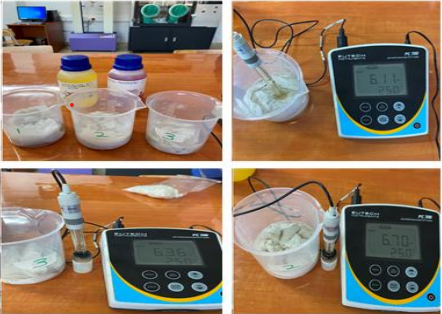
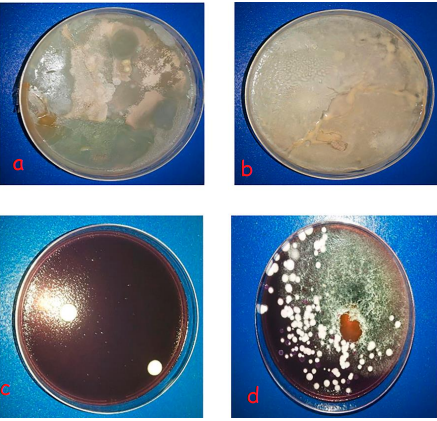
The solution has progressed beyond concept development and has been pilot tested, with laboratory evaluation demonstrating its technical feasibility. The developed sanitary pads achieved acceptable pH values of 6.11–6.70, in line with ISO 3071:2020 requirements. Microbiological testing confirmed safe levels of bacterial and fungal bioburden, including the absence of Staphylococcus aureus and Candida albicans.
Performance testing demonstrated strong absorbency and fluid retention comparable to commercially available disposable sanitary pads. This indicates that treated sugarcane bagasse can serve as an effective alternative absorbent material while supporting a more circular bioeconomy. Beyond environmental benefits, the innovation can improve access to affordable menstrual hygiene products, support women’s health, create green employment opportunities, and promote local value addition.
Scaling and Commercialization Opportunities
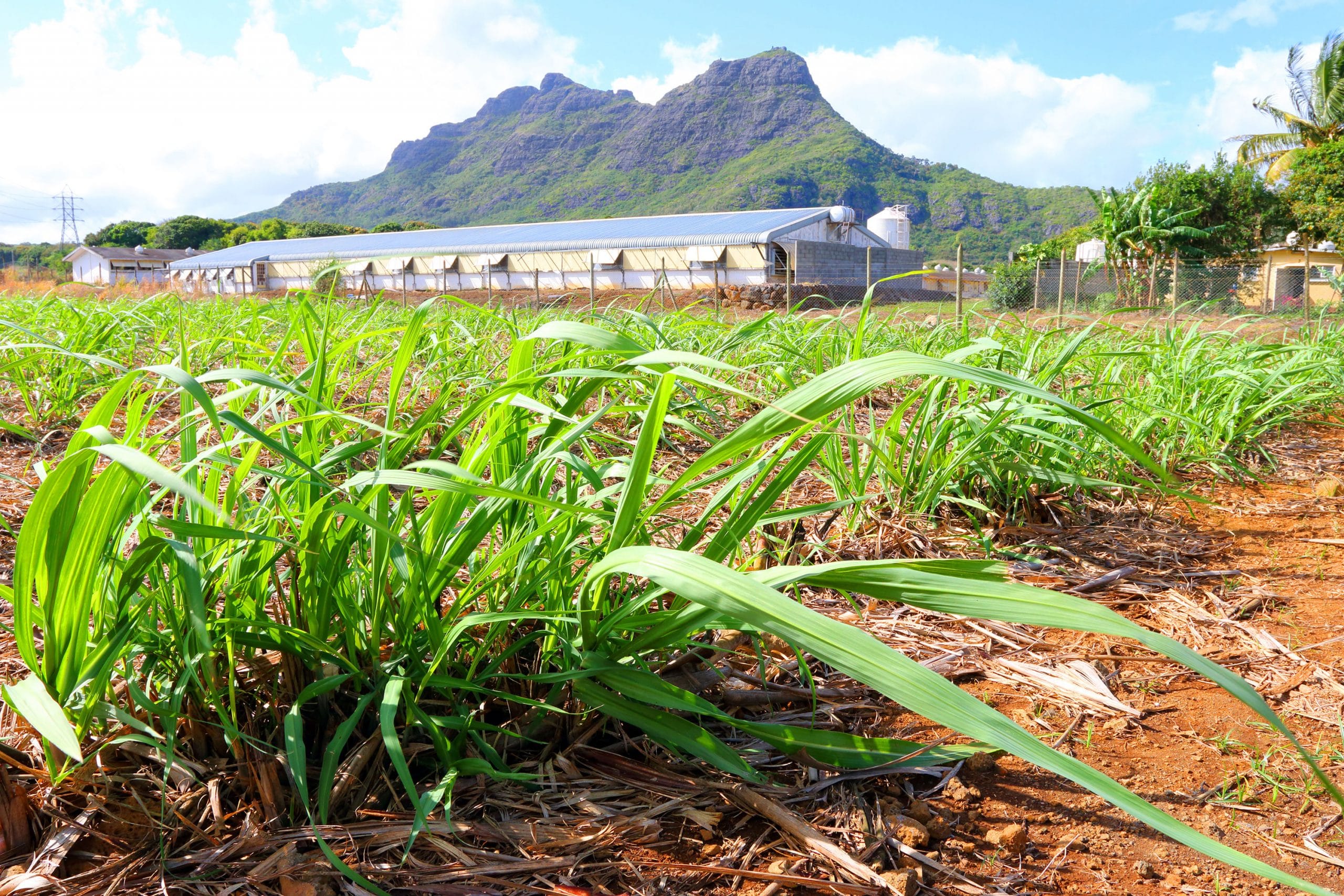
Uganda’s more than 20 sugar factories generate large volumes of bagasse every day, providing a significant and locally available feedstock for decentralized production. The technology can be scaled through partnerships with sugar processors and hygiene product manufacturers, allowing production facilities to be established close to major sugar-producing areas and enabling replication across Uganda and other sugar-producing countries.
UIRI is currently working with sugar processors, the National Drug Authority (NDA), and the Uganda National Bureau of Standards (UNBS). The project is seeking strategic partners for pilot manufacturing, commercialization, regulatory approval, impact investment, industrial scale-up, and regional deployment. These partnerships could accelerate market adoption while maximizing the climate, environmental, economic, and social benefits of the solution.