A circular battery-recycling approach that recovers critical raw materials and battery components from end-of-life lithium-ion batteries for reintegration into clean-technology supply chains.
Date:
-
Location:
Spain, France, Germany, Türkiye and Belgium
Partners:
Indumetal Recycling, Renault Group, Orano, Fraunhofer IWKS, BeePlanet Factory, MTB Manufacturing, Ford Otosan, Minespider and Recyclia
Research Area:
Decarbonizing Industry & Circular Economy
Sustainable Development Goals:
09 - Industry, Innovation and Infrastructure, 12 - Responsible Consumption and Production, 13 - Climate Action
Turning End-of-Life Batteries into Critical Raw Materials
The BATRAW project, coordinated by Leitat Technological Center, addresses the growing challenge of end-of-life lithium-ion batteries and Europe’s dependence on imported critical raw materials such as lithium, cobalt, nickel, manganese, and graphite. As electric mobility and renewable-energy storage expand, increasing volumes of batteries will reach the end of their useful life. BATRAW treats these batteries not as waste, but as a valuable secondary resource for the production of new clean technologies.
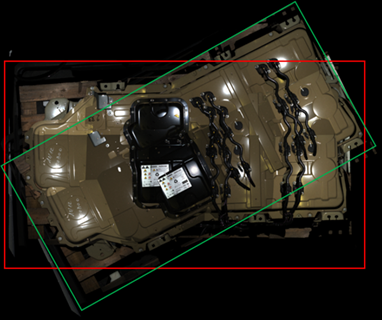
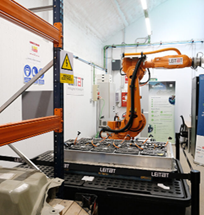
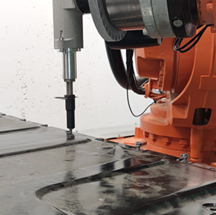
The Horizon Europe project has developed and demonstrated an integrated approach covering the collection, sorting, safe dismantling, processing, recycling, and digital traceability of batteries from electric vehicles and other applications. Advanced pre-treatment and automated dismantling technologies recover valuable battery components and materials that can be returned to industrial supply chains. The project brings together recyclers, automotive manufacturers, research organizations, technology providers, and digital innovators across Europe, creating an ecosystem for a more circular battery value chain.
Demonstrated Recovery and Industrial Performance
BATRAW has been pilot tested under real-world conditions and has demonstrated significant recovery performance. The project achieved recovery of up to 95% of battery-pack components and 90–98% of key battery materials, with pilot-scale capacities reaching approximately one tonne of battery dismantling per shift and 300 kg of black-mass processing per day. Recovered materials have also been assessed for their potential use in battery-grade applications, supporting the development of closed-loop battery manufacturing.
By recovering materials from existing batteries, the solution can reduce the need for virgin raw-material extraction, lower waste generation, and decrease the environmental footprint of battery production. It also contributes to Europe’s strategic autonomy by strengthening domestic access to critical materials needed for electrification and renewable-energy technologies.
Scaling a Circular European Battery Economy
The BATRAW approach is designed for deployment across battery recycling facilities in Europe and internationally, particularly as volumes of end-of-life batteries from electric vehicles and energy-storage systems continue to grow. Its combination of safe dismantling, material recovery, traceability, and industrial integration provides a practical framework for scaling circular battery production.
The project already brings together major industrial and research partners, including Indumetal Recycling, Renault Group, Orano, Fraunhofer IWKS, BeePlanet Factory, MTB Manufacturing, Ford Otosan, Minespider, and Recyclia. Further scale-up would benefit from additional industrial deployment partners, investors, and supportive circular-economy policies to accelerate commercial implementation and establish resilient, low-carbon battery supply chains.