A magnesium-based solid-state hydrogen system that stores hydrogen at room temperature and normal atmospheric pressure, providing a safer and lower-energy alternative to conventional high-pressure hydrogen storage. The technology offers dual hydrogen-release modes for mobile and stationary applications and has already undergone real-world testing and commercial deployment in China.
Date:
-
Location:
Ningbo, China
Partners:
Ningbo Huachuang Hydrogen Energy Technology Co., Ltd.; Tsinghua University; Jiangsu University; Huaye Testing Technology Service Co., Ltd.; Ai-Hydrogen (Hainan) Supply Chain Management Co., Ltd.
Research Area:
Decarbonizing Industry & Circular Economy
Sustainable Development Goals:
07 - Affordable and Clean Energy, 09 - Industry, Innovation and Infrastructure, 12 - Responsible Consumption and Production, 13 - Climate Action
Hydrogen is an important pathway for reducing carbon emissions, but conventional high-pressure storage and transportation create safety, infrastructure and cost challenges. This project developed a magnesium-based solid-state hydrogen supply system that stores hydrogen within a solid metal-based material rather than as compressed gas.
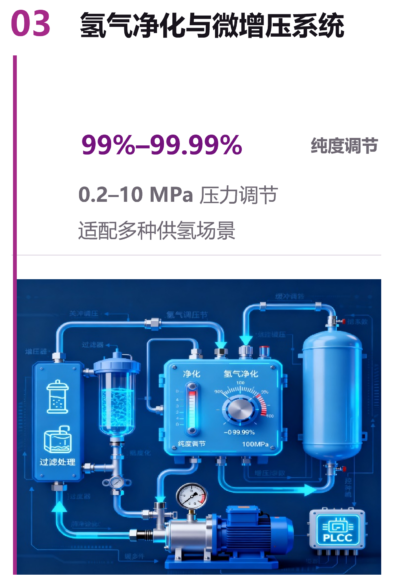
The system operates at normal room temperature and atmospheric pressure, providing an alternative approach to hydrogen storage, transportation and supply for mobility, stationary power and research applications.
Safe Hydrogen Storage at Ambient Conditions
Conventional hydrogen storage relies heavily on high-pressure tanks, which require specialized infrastructure and can create significant safety and logistics requirements. The solid-state system developed by the project stores hydrogen in a magnesium-based material and releases hydrogen gas when required.
By operating without high-pressure hydrogen storage, the system is designed to reduce safety risks and simplify deployment. The technology is particularly relevant for locations where installing complex high-pressure hydrogen infrastructure would be difficult or costly.
Dual-Mode Hydrogen Supply
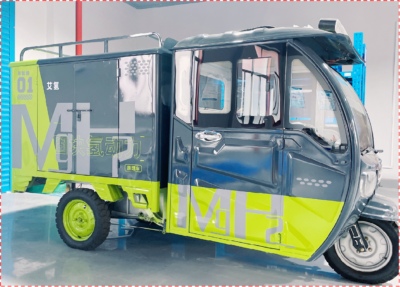
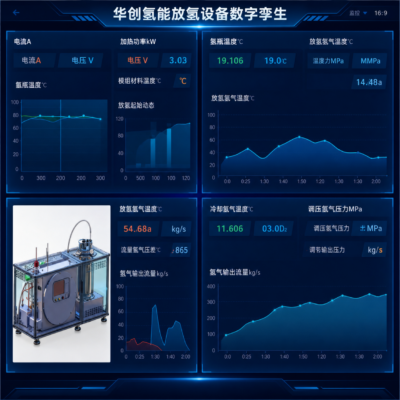
The system incorporates two hydrogen-release modes designed for different applications. One mode enables rapid hydrogen release for smaller mobile equipment, including drones and specialized work vehicles. The second is designed for larger stationary applications such as emergency power systems and district energy stations.
The technology has been developed into products covering four main application areas: vehicle power, stationary power generation, hydrogen supply for university laboratories, and hydrogen transport containers.
The project reports that its system requires more than 93% less operational energy than benchmark international solid-state hydrogen products, potentially reducing both operating costs and the indirect emissions associated with hydrogen storage.
Real-World Applications and Impact
The technology has progressed beyond laboratory development and has undergone real-world testing, with commercial orders signed in China. Current applications include hydrogen supply for six university research laboratories, supporting practical low-carbon-energy education for more than 350 students annually.
The project also reports that approximately 120 researchers and field operators use the equipment, while a single system deployed for emergency power can provide stable clean energy for approximately 80–120 residents during grid outages.
Each unit is estimated by the project team to reduce indirect carbon emissions by up to 2.8 tonnes per year through lower operational energy demand.
Scaling and Circular-Economy Potential
The project is currently being deployed in demonstration projects in China, with plans to expand to additional domestic locations. Beyond the hydrogen-storage equipment itself, the project incorporates recycling of used materials from its systems, with recovered materials potentially being reused in other industrial applications.
By combining ambient-pressure hydrogen storage, lower operational energy requirements and material recycling, the technology aims to make hydrogen more accessible for transport, backup power, research and other clean-energy applications without relying on extensive high-pressure infrastructure.