
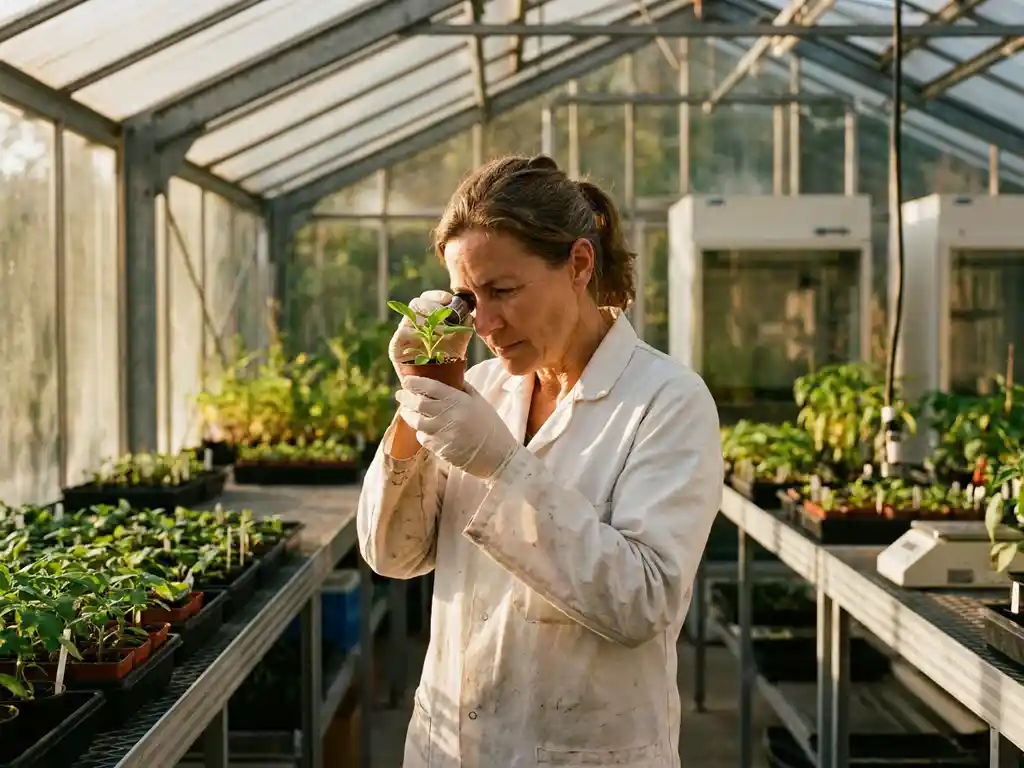
Research in food security encompasses scientific investigations into agricultural productivity, nutrition systems, food safety protocols, and sustainable farming practices that ensure reliable access to nutritious food for populations worldwide. This multidisciplinary field addresses production challenges, distribution inefficiencies, and environmental impacts while developing innovative solutions to sustainably feed a growing global population.
Outdated farming methods are costing communities their food future
Traditional agricultural practices that worked for generations are now failing under the pressures of climate change, soil degradation, and rising population demands. Farmers who rely solely on conventional methods face declining yields, higher input costs, and greater vulnerability to extreme weather. The solution lies in adopting evidence-based findings from agricultural research, including climate-resilient crop varieties, precision farming techniques, and sustainable soil management practices that restore productivity while protecting environmental resources.
Poor implementation of nutrition research is undermining global health outcomes
Despite significant advances in nutrition science, the gap between research discoveries and real-world application continues to widen, leaving millions without access to adequate nutrition. Communities suffer from preventable malnutrition, micronutrient deficiencies, and diet-related diseases because proven nutritional interventions remain confined to academic journals rather than being translated into accessible programs. Bridging this implementation gap requires collaboration among researchers, policymakers, and community organizations to turn scientific knowledge into practical nutrition solutions.
What Is Food Security and Why Does Research Matter?
Food security exists when all people have physical, social, and economic access to sufficient, safe, and nutritious food that meets their dietary needs for an active, healthy life. Research matters because it provides evidence-based solutions to overcome production constraints, improve nutritional outcomes, and build resilient food systems capable of adapting to environmental and social challenges.
The complexity of achieving food security requires scientific investigation across multiple domains. Agricultural research develops higher-yielding crop varieties and more efficient farming methods. Nutrition research identifies optimal dietary patterns and addresses micronutrient deficiencies. Food systems research examines supply chains, storage technologies, and distribution networks that connect producers with consumers.
Research also plays a critical role in understanding how climate change affects food production and in developing adaptation strategies. Scientists study drought-resistant crops, sustainable farming practices, and alternative protein sources that can maintain food supplies despite environmental pressures. This scientific foundation enables policymakers and practitioners to make informed decisions about resource allocation and intervention strategies.
How Does Agricultural Research Improve Food Production?
Agricultural research improves food production by developing enhanced crop varieties, optimizing farming practices, and creating innovative technologies that increase yields while reducing environmental impact. This includes breeding programs for disease-resistant plants, precision agriculture systems, and sustainable soil management techniques that boost productivity.
Plant breeding research has revolutionized food production through the development of high-yielding varieties adapted to local conditions. Scientists create crops that resist pests and diseases, tolerate drought or flooding, and offer enhanced nutritional content. These improved varieties can increase yields by 20-50% compared to traditional cultivars while requiring fewer chemical inputs.
Precision agriculture research focuses on optimizing resource use through data-driven farming approaches. Technologies such as soil sensors, satellite imagery, and GPS-guided equipment enable farmers to apply fertilizers, water, and pesticides only where and when needed. This targeted approach reduces costs, minimizes environmental impact, and maximizes crop productivity.
Sustainable farming research develops practices that maintain soil health, conserve water, and support biodiversity. Techniques such as cover cropping, integrated pest management, and agroforestry systems help farmers maintain long-term productivity while protecting natural resources for future generations.
What Types of Food Security Research Are Most Important?
The most important types of food security research include crop improvement studies, nutrition intervention research, climate adaptation investigations, and food systems analysis. These research areas address the core challenges of producing enough nutritious food, ensuring equitable access, and maintaining sustainability under changing environmental conditions.
Crop improvement research remains fundamental to food security, focusing on developing varieties that can thrive in challenging conditions. Scientists work on drought-tolerant crops for arid regions, salt-tolerant varieties for coastal areas affected by sea-level rise, and biofortified crops that provide essential nutrients such as vitamin A, iron, and zinc to combat malnutrition.
Nutrition research investigates effective interventions to prevent malnutrition and improve dietary quality. This includes studying optimal feeding practices for infants and children, developing nutrient-dense food products for vulnerable populations, and designing behavior change programs that promote healthy eating habits in different cultural contexts.
Climate adaptation research addresses how food systems can respond to changing environmental conditions. Scientists study shifting precipitation patterns, rising temperatures, and extreme weather events to develop strategies that maintain food production despite climate challenges. This research informs decisions about crop selection, farming practices, and infrastructure investments.
Food systems research examines the entire pathway from production to consumption, identifying bottlenecks and inefficiencies that limit food access. This includes studies of post-harvest losses, supply chain optimization, market dynamics, and policy interventions that can improve food availability and affordability for vulnerable populations.
How Do Research Organizations Address Global Food Challenges?
Research organizations address global food challenges through collaborative networks that conduct interdisciplinary studies, develop innovative technologies, and translate scientific findings into practical solutions. They coordinate international research efforts, share knowledge across borders, and build capacity in developing countries to strengthen local food systems.
International research partnerships enable scientists to tackle food security challenges that transcend national boundaries. Organizations coordinate multi-country studies that test agricultural innovations across different climates and farming systems. This collaborative approach accelerates the development and adoption of solutions that can benefit multiple regions simultaneously.
Technology transfer initiatives help research organizations share innovations with farmers and communities that need them most. This includes training programs for extension workers, demonstration projects that showcase new techniques, and partnerships with local organizations that can adapt research findings to specific contexts and cultural practices.
Capacity-building programs strengthen research capabilities in developing countries where food insecurity is most prevalent. Research organizations provide training for local scientists, support the development of research infrastructure, and create networks that enable knowledge exchange among institutions worldwide.
How WAITRO Advances Food Security Research
We connect research and technology organizations worldwide to accelerate food security solutions through collaborative programs and knowledge-sharing initiatives. Our network enables members to access cutting-edge research, participate in international partnerships, and implement evidence-based approaches to address local food challenges. Key benefits include:
- Access to a global network of 180 research organizations working on agricultural innovation and food systems
- Collaborative research opportunities that combine expertise from multiple institutions and regions
- Capacity development programs that strengthen local research capabilities in food security
- Knowledge-sharing platforms that accelerate the transfer of proven solutions to communities in need
- Partnership facilitation that connects research organizations with industry partners and funding opportunities
Join us at the WAITRO Summit 2026 in Istanbul, Türkiye (October 26-28, 2026), themed “Leading the Path of Implementation: Strengthening Co-Creation for Our Common Future.” Connect with global food security researchers, explore collaborative opportunities, and contribute to sustainable solutions that address hunger and malnutrition worldwide. Become a member today to join our mission of strengthening international research collaboration for global food security.
