
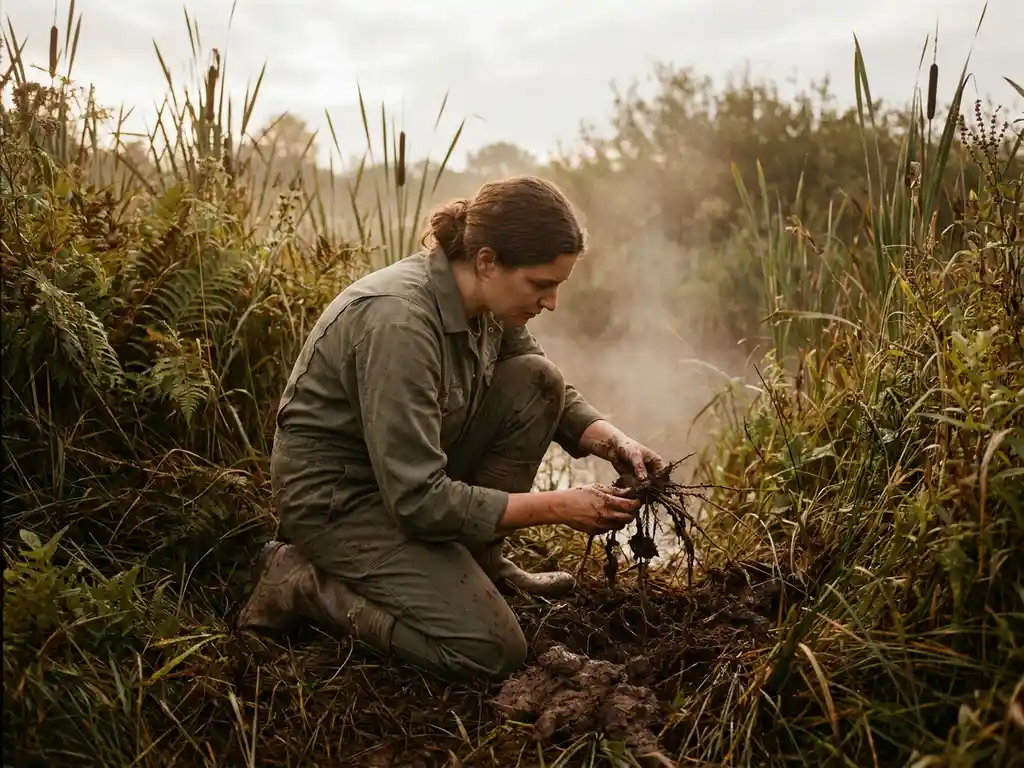
Nature-based climate innovation refers to the use of natural ecosystems and biological processes as deliberate tools for addressing climate change. Rather than relying solely on engineered or industrial solutions, it harnesses the inherent capacity of forests, wetlands, soils, and oceans to absorb carbon, regulate temperatures, and build resilience against climate impacts. The sections below unpack how these approaches work, what forms they take, and where the greatest opportunities and obstacles lie.
How do nature-based solutions actually address climate change?
Nature-based solutions address climate change by protecting, restoring, or sustainably managing ecosystems so they perform their natural climate-regulating functions at greater scale. Healthy forests sequester carbon dioxide, coastal mangroves buffer storm surges, and restored wetlands reduce flood risk while storing significant quantities of carbon in their soils. These functions work simultaneously on both mitigation and adaptation.
The mechanism is straightforward: ecosystems are biological carbon sinks and temperature regulators that have been operating for millions of years. When degraded, they become carbon sources rather than stores. Nature-based climate innovation focuses on reversing that dynamic by treating ecosystem restoration as deliberate climate infrastructure rather than a conservation afterthought.
Beyond carbon, these approaches deliver what practitioners call co-benefits: improved water quality, biodiversity recovery, food security, and community livelihoods. This multi-outcome character is what distinguishes ecosystem-based approaches from single-purpose engineering interventions and makes them particularly attractive to governments and development agencies working across several Sustainable Development Goals at once.
Together, We Drive Innovation
Support global research, foster collaboration, and create a sustainable future.
What are the main types of nature-based climate innovations?
Nature-based climate innovations span a wide spectrum, from large-scale ecosystem restoration to precision biological techniques applied at the field or coastal level. The most established categories include:
- Forest-based solutions: Reforestation, afforestation, and reduced deforestation programmes that protect or rebuild carbon-dense forest cover.
- Coastal and marine solutions: Mangrove restoration, seagrass meadow recovery, and kelp forest regeneration, all of which sequester carbon and protect coastlines.
- Soil and agricultural solutions: Regenerative agriculture, agroforestry, and cover cropping practices that build organic matter in soils, locking carbon below ground.
- Wetland and peatland restoration: Rewetting drained peatlands, which are among the most carbon-dense ecosystems on Earth and major emission sources when degraded.
- Urban green infrastructure: Green roofs, urban forests, and permeable landscaping that reduce urban heat island effects and manage stormwater.
- Hybrid bio-engineering: Combining living plant material with traditional engineering structures, such as using oyster reefs alongside seawalls for coastal protection.
Each type operates at a different scale and delivers a different mix of climate benefits, which is why effective national strategies typically combine several approaches rather than betting on a single solution.
How is nature-based innovation different from traditional climate technology?
Nature-based climate innovation differs from traditional climate technology primarily in its substrate: it works with living systems rather than manufactured infrastructure. Traditional climate technology includes solar panels, wind turbines, carbon capture equipment, and electric vehicles — all of which are designed, built, and deployed as discrete engineered products. Nature-based solutions, by contrast, are co-produced with ecosystems that evolve, self-repair, and respond to changing conditions.
This distinction has practical implications. Engineered technologies generally offer more predictable and measurable outputs, while nature-based approaches can be harder to quantify precisely but often deliver a broader range of benefits at a lower cost per unit of impact. Traditional technology typically requires ongoing energy inputs and supply chains; nature-based solutions, once established, are largely self-sustaining.
The two approaches are not competing alternatives. The most credible climate strategies treat them as complementary: engineered solutions decarbonise energy and industry, while nature-based solutions address the land-use and ecosystem dimensions of the climate crisis that technology alone cannot reach. Green innovation increasingly means integrating both rather than choosing between them.
What role do research and technology organisations play in scaling NbS?
Research and technology organisations play a central role in scaling nature-based solutions by generating the scientific evidence, monitoring tools, and implementation frameworks that move NbS from pilot projects to national and regional policy. Without rigorous research, it is difficult to verify carbon sequestration claims, assess long-term ecosystem stability, or adapt approaches to local conditions.
RTOs contribute across the full innovation chain:
- Developing and validating measurement, reporting, and verification (MRV) methodologies for ecosystem carbon stocks
- Conducting applied research on species selection, restoration techniques, and ecological resilience
- Building decision-support tools and digital monitoring platforms that allow practitioners to track outcomes at scale
- Translating scientific findings into standards and guidelines that governments and implementing agencies can act on
- Bridging local and indigenous knowledge with formal scientific methods to improve solution design
Cross-border collaboration is particularly important here. Many ecosystems, such as river basins, migratory corridors, and shared coastlines, span national boundaries, meaning that effective NbS research requires coordinated international partnerships. Global networks of research organisations are therefore not a luxury but a structural requirement for scaling these solutions effectively.
Which global frameworks and SDGs does nature-based climate innovation support?
Nature-based climate innovation is directly relevant to several major global frameworks and supports multiple UN Sustainable Development Goals simultaneously. Its multi-benefit character makes it one of the few intervention types that genuinely cuts across the SDG agenda rather than advancing a single goal in isolation.
The most directly connected frameworks and goals include:
- Paris Agreement: NbS are recognised in Nationally Determined Contributions (NDCs) as tools for both mitigation and adaptation, with many countries relying on land-use and forestry measures to meet their climate commitments.
- Kunming-Montreal Global Biodiversity Framework: The 30×30 target — protecting 30% of land and ocean by 2030 — overlaps substantially with NbS deployment areas.
- SDG 13 (Climate Action): Ecosystem-based approaches are a core delivery mechanism for national climate resilience strategies.
- SDG 15 (Life on Land): Reforestation and land restoration are central to halting biodiversity loss and land degradation.
- SDG 14 (Life Below Water): Coastal NbS such as mangrove and seagrass restoration directly support marine ecosystem health.
- SDG 2 (Zero Hunger): Agroforestry and regenerative agriculture practices improve food system resilience while delivering climate co-benefits.
- SDG 11 (Sustainable Cities): Urban green infrastructure contributes to climate-resilient and liveable urban environments.
This alignment across frameworks is one reason nature-based climate innovation has attracted growing attention from governments and multilateral bodies seeking solutions that deliver measurable progress on multiple international commitments at once.
What are the biggest challenges in implementing nature-based climate innovation?
The biggest challenges in implementing nature-based climate innovation include measurement complexity, financing gaps, governance fragmentation, and the long timeframes required for ecosystems to mature and deliver their full benefits. These are not insurmountable, but they require deliberate institutional effort to address.
Measurement and verification
Quantifying how much carbon an ecosystem stores, and proving that it will continue to store it over decades, is technically demanding. Unlike a solar panel with a known output, a restored forest is a dynamic system influenced by rainfall, fire risk, pests, and land-use pressures. Robust MRV methodologies are still being developed and standardised for many ecosystem types, which creates uncertainty for investors and policymakers.
Financing and investment structures
Many nature-based projects struggle to attract the scale of investment that engineered infrastructure receives because their revenue streams are less predictable and their benefits are partly public goods. Carbon markets have emerged as one financing mechanism, but their integrity depends on rigorous verification standards that are still evolving. Blended finance models that combine public, philanthropic, and private capital are increasingly seen as the most viable path to scale.
Beyond financing, governance is a persistent challenge. Effective NbS implementation often requires coordination across land tenure systems, indigenous rights frameworks, national and subnational jurisdictions, and multiple sectoral ministries. Building the institutional capacity to manage that complexity is as important as the ecological science itself.
Finally, there is the challenge of permanence. Ecosystems can be degraded by drought, wildfire, or policy reversal. Long-term climate benefits require long-term protection commitments, which in turn require political stability and community buy-in that cannot be assumed.
How WAITRO supports nature-based climate innovation
We connect the research and institutional capacity needed to move nature-based climate innovation from concept to implementation. Through our global network of research and technology organisations, we provide the cross-border collaboration infrastructure that NbS scaling requires. Specifically, we support members and partners by:
- Facilitating partnerships between RTOs working on ecosystem-based approaches across different regions and climate contexts
- Delivering institutional capacity building programmes that strengthen the ability of research organisations to design, monitor, and communicate NbS outcomes
- Connecting members with international frameworks and funding pathways aligned with SDG delivery
- Providing a platform for knowledge exchange on emerging NbS methodologies, standards, and policy tools
- Supporting pathways to bring research into practice through engagement with government bodies, innovation agencies, and industry partners
If your organisation is working to advance sustainable development through nature-based solutions and wants access to a global network of research partners, we invite you to explore membership or partnership with WAITRO and discover how collaboration at scale can amplify your impact.
