
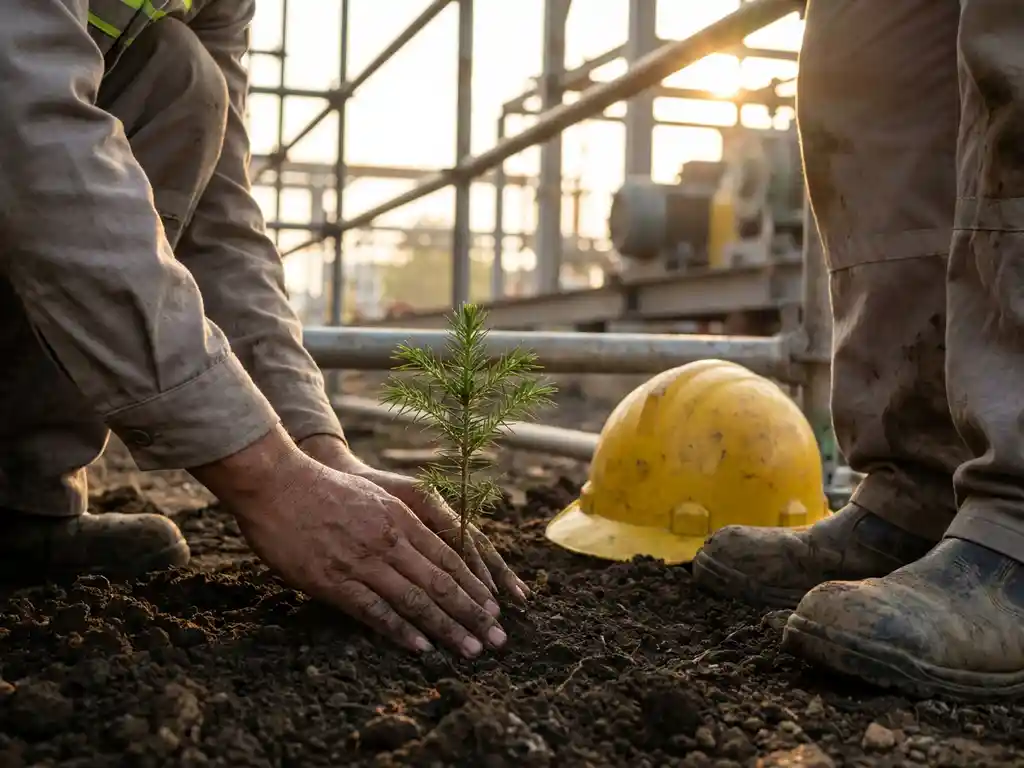
A just transition in climate action is a framework that ensures the shift to a sustainable economy is fair and inclusive, leaving no one behind. It recognizes that moving away from fossil fuels and high-carbon industries affects workers and communities differently, requiring targeted support to protect livelihoods while advancing environmental goals.
Rushed green policies are leaving entire communities behind
When climate policies prioritize speed over equity, they can devastate coal-mining towns, oil-refining communities, and manufacturing regions without providing viable alternatives. Workers lose jobs overnight, local businesses collapse, and entire economies crumble while wealthier areas benefit from new green industries. This creates a backlash against climate action itself, as affected communities see environmental progress as a threat to their survival. The solution requires deliberate planning that includes retraining programs, support for economic diversification, and meaningful participation by affected communities in designing their own transition pathways.
Top-down climate solutions ignore local knowledge and needs
Climate policies designed in distant capitals often miss crucial local realities about existing skills, cultural values, and economic dependencies that could accelerate sustainable development. Communities understand their own assets and constraints better than outside experts, yet they are frequently excluded from planning processes until implementation fails. This wastes resources and breeds resistance to necessary changes. Effective climate action starts with listening to local voices, building on existing community strengths, and co-creating solutions that respect both environmental imperatives and human dignity.
What is a just transition in climate action?
A just transition is a comprehensive approach to climate action that ensures the shift to sustainable development protects workers, communities, and vulnerable populations from negative impacts while creating new opportunities for all. It emphasizes social equity, economic security, and democratic participation in the green transition.
This concept emerged from labor movements that recognized environmental protection and worker rights as interconnected challenges requiring coordinated solutions. Rather than viewing climate action and social justice as competing priorities, a just transition framework integrates both into unified policies and programs.
The approach encompasses three core dimensions: economic transformation that creates decent green jobs, social protection for affected workers and communities, and environmental restoration that benefits everyone. It applies to all levels of climate action, from local renewable energy projects to national decarbonization strategies.
Why do communities and workers need protection during climate transitions?
Climate transitions can cause significant economic disruption and social upheaval if not carefully managed. Workers in fossil fuel industries face job losses, while communities dependent on carbon-intensive sectors risk economic collapse and population decline without alternative development pathways.
The costs of climate action often fall disproportionately on specific regions and demographic groups. Coal-mining communities, oil-refining towns, and manufacturing centers built around heavy industry face the steepest adjustments. These areas frequently have limited economic diversity, making them vulnerable to rapid changes in energy markets and environmental regulations.
Beyond immediate job losses, unmanaged transitions create broader social problems, including increased poverty, out-migration, reduced public services, and political backlash against climate policies. When people perceive environmental protection as threatening their livelihoods, they may oppose necessary climate measures, slowing progress toward sustainability goals.
Protection strategies include retraining programs for new industries, economic diversification initiatives, social safety nets during transition periods, and investment in local infrastructure that supports both environmental and economic objectives. These measures help ensure climate action builds, rather than undermines, social cohesion and political support for continued progress.
What are the key principles of a just transition?
Just transition principles include social dialogue and democratic participation, economic diversification with decent work creation, environmental integrity, and targeted support for vulnerable groups. These principles ensure climate action addresses inequality while advancing sustainability goals.
Social dialogue brings together workers, employers, communities, and governments to plan transitions collaboratively. This participatory approach ensures that those most affected by changes have meaningful input into policy design and implementation. Democratic participation extends beyond consultation to include shared decision-making power over local development priorities.
Economic diversification focuses on creating new industries and job opportunities that provide decent work with fair wages, safe conditions, and worker rights. This goes beyond simply replacing old jobs with new ones to building more resilient and equitable local economies.
Environmental integrity ensures that new economic activities genuinely contribute to sustainability rather than shifting environmental problems elsewhere. This principle prevents greenwashing while maintaining focus on measurable environmental improvements.
Targeted support recognizes that vulnerable groups, including women, Indigenous peoples, youth, and marginalized communities, face additional barriers during transitions and may need specialized assistance to benefit from new opportunities.
How do organizations implement just transition strategies?
Organizations implement just transition strategies through stakeholder engagement, impact assessment, capacity building, and collaborative partnerships. Implementation typically begins with mapping affected communities and conducting participatory planning processes to identify local priorities and assets.
The process starts with comprehensive stakeholder mapping to identify all groups affected by planned changes. This includes obvious stakeholders like workers and local businesses, but it also extends to suppliers, service providers, and community organizations that depend on existing economic activities.
Impact assessments examine both environmental and social consequences of proposed transitions, using participatory methods to capture community perspectives alongside technical analysis. These assessments inform mitigation strategies and identify opportunities to enhance positive outcomes.
Capacity building involves developing the local skills and institutions needed to manage transitions effectively. This includes training programs for new industries, leadership development for community organizations, and institutional strengthening for local governments and civil society groups.
Collaborative partnerships connect local communities with external resources, including funding, technical expertise, and market access. Successful partnerships respect local autonomy while providing the support necessary to achieve ambitious transformation goals.
What role do research organizations play in supporting just transitions?
Research organizations contribute to just transitions by developing evidence-based solutions, facilitating knowledge exchange, and building local capacity for innovation. They provide technical expertise while ensuring research agendas respond to community-identified priorities and needs.
Research institutions conduct applied research on transition pathways, evaluating what works in different contexts and identifying transferable lessons. This includes studying successful examples of economic diversification, analyzing policy effectiveness, and developing tools for participatory planning.
Knowledge exchange activities connect communities with relevant research findings and best practices from other regions facing similar challenges. Research organizations serve as knowledge brokers, translating academic insights into practical guidance for local decision-makers.
Capacity-building support includes training local researchers, supporting community-based research initiatives, and strengthening institutional capabilities for evidence-based planning. This builds local ownership of research processes while ensuring high-quality analysis.
Collaborative research partnerships between institutions and communities create new knowledge while addressing real-world problems. These partnerships ensure research contributes directly to transition planning while building long-term relationships for ongoing support.
How WAITRO Supports Just Transitions
We facilitate just transitions through our global network of research organizations and strategic partnerships that connect communities with the knowledge, resources, and collaborative opportunities needed for equitable climate action. Our comprehensive approach includes:
- Connecting local communities with research expertise and technical solutions for sustainable development challenges
- Facilitating knowledge exchange between regions facing similar transition challenges through our international programs
- Supporting capacity-building initiatives that strengthen local institutions and research capabilities
- Creating collaborative partnerships between research organizations, communities, and industry partners
- Advancing research aligned with the UN Sustainable Development Goals to ensure transitions benefit both people and planet
Our network’s diverse expertise spans renewable energy systems, sustainable manufacturing, social innovation, and participatory research methods essential for just transition planning. Through our mission to unite science, technology, and innovation stakeholders globally, we help ensure that climate action creates opportunities for all while protecting those most vulnerable to change.
Join us at the WAITRO Summit 2026 in Istanbul, Türkiye, from October 26–28, 2026, where we will explore “Leading the Path of Implementation: Strengthening Co-Creation for Our Common Future.” This gathering will bring together global innovators, researchers, and community leaders to co-create solutions for just transitions and sustainable development. Connect with our network, share your experiences, and be part of a movement shaping equitable climate action worldwide. Become a member today to access our full range of resources and collaborative opportunities supporting just transitions in your community.
Related Articles
- When should a startup apply for research funding instead of venture capital?
- Why is intellectual property management important in technology transfer?
- What Are Funding Opportunities for Research Organizations?
- What Is Inclusive Research and Why Does It Matter?
- What Are Working Groups in Research Networks?
