
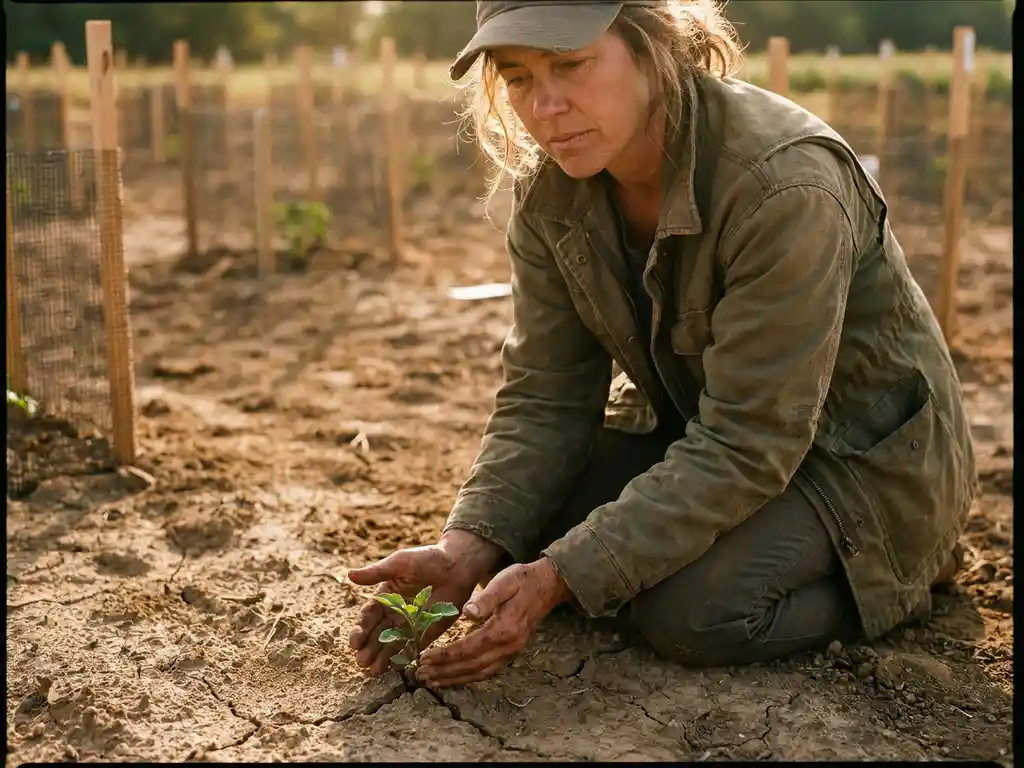
Climate resilience solutions are comprehensive strategies, technologies, and practices that help communities, organizations, and ecosystems adapt to and withstand the impacts of climate change. These solutions range from infrastructure improvements and early warning systems to nature-based approaches and policy frameworks that build long-term adaptive capacity while reducing vulnerability to climate risks.
Outdated infrastructure is costing communities their safety and economic stability
Many communities rely on aging infrastructure that was designed for historical climate patterns, not the extreme weather events we face today. Flooding overwhelms drainage systems, heat waves strain power grids, and storms damage buildings that lack climate-resilient design features. This infrastructure failure leads to costly repairs, business disruptions, and puts lives at risk. Communities can start building resilience by conducting climate risk assessments of their critical infrastructure and prioritizing upgrades that account for future climate projections, not just past conditions.
Reactive disaster response is draining resources that could prevent future damage
Organizations often spend enormous amounts on emergency response and recovery after climate disasters strike, yet invest little in proactive adaptation measures. This reactive approach creates a costly cycle in which the same vulnerabilities cause repeated damage. Research shows that every dollar invested in climate resilience saves four to seven dollars in future disaster costs. Organizations can break this cycle by shifting resources toward preventive measures like flood barriers, drought-resistant landscaping, and backup systems that maintain operations during extreme weather events.
What are climate resilience solutions and why do they matter?
Climate resilience solutions are integrated approaches that strengthen the ability of systems, communities, and ecosystems to anticipate, prepare for, and adapt to climate change impacts while maintaining essential functions. They combine technological innovations, policy measures, and nature-based strategies to reduce vulnerability and build adaptive capacity for long-term sustainability.
These solutions matter because climate change is already affecting communities worldwide through more frequent extreme weather, rising sea levels, and shifting precipitation patterns. Without proactive adaptation measures, these impacts will continue to cause economic losses, disrupt essential services, and threaten human safety. Climate resilience solutions provide a framework for managing these risks while creating co-benefits like improved public health, economic opportunities, and environmental protection.
The urgency of implementing climate resilience solutions has grown as scientific evidence shows that some climate impacts are now unavoidable, even with aggressive mitigation efforts. This reality makes adaptation not just beneficial but essential for protecting investments, maintaining quality of life, and ensuring sustainable development in a changing climate.
How do climate resilience solutions help communities adapt to climate change?
Climate resilience solutions help communities adapt by strengthening their capacity to manage climate risks through improved infrastructure, enhanced preparedness systems, and diversified economic strategies. These solutions reduce vulnerability by addressing both immediate threats and long-term climate trends while building social and institutional capacity for ongoing adaptation.
Infrastructure adaptation forms a cornerstone of community resilience, involving upgrades to water systems, transportation networks, and buildings to withstand extreme weather. For example, communities implement green infrastructure like permeable pavements and bioswales to manage increased rainfall, while coastal areas invest in seawalls and flood barriers to protect against storm surge and sea level rise.
Social resilience measures focus on building community capacity through education, emergency planning, and strengthening social networks. These include developing early warning systems, training community emergency response teams, and creating cooling centers for extreme heat events. Economic diversification strategies help communities reduce dependence on climate-sensitive industries while developing new opportunities in the green economy.
What types of climate resilience technologies are available today?
Climate resilience technologies available today include smart infrastructure systems, advanced monitoring and prediction tools, nature-based solutions, and adaptive building technologies. These range from high-tech sensors and artificial intelligence platforms to traditional approaches like ecosystem restoration and drought-resistant crops, all designed to enhance adaptive capacity and reduce climate vulnerability.
Smart infrastructure technologies use sensors, data analytics, and automated systems to monitor and respond to climate conditions in real time. Examples include smart grids that automatically reroute power during storms, intelligent water management systems that optimize usage during droughts, and predictive maintenance systems that identify infrastructure vulnerabilities before they fail.
Nature-based solutions leverage natural systems to provide climate resilience benefits. These include constructed wetlands for flood control, urban forests for heat reduction and air quality improvement, and living shorelines that protect coastlines while providing habitat. Agricultural technologies focus on crop varieties that tolerate heat, drought, and flooding, along with precision farming techniques that optimize resource use under changing conditions.
Advanced monitoring technologies enable better climate risk management through improved forecasting and early warning systems. These include satellite monitoring for drought and flood prediction, weather radar networks for severe storm tracking, and climate modeling systems that help communities plan for future conditions.
How can organizations implement climate resilience strategies effectively?
Organizations can implement climate resilience strategies effectively through systematic risk assessment, stakeholder engagement, phased implementation planning, and continuous monitoring and adaptation. This process begins with understanding specific climate vulnerabilities and building internal capacity for long-term resilience planning and management.
The implementation process starts with a comprehensive climate risk assessment that identifies current and future vulnerabilities across operations, supply chains, and facilities. Organizations should engage diverse stakeholders, including employees, community members, suppliers, and local government, to ensure strategies address multiple perspectives and build broad support for resilience initiatives.
Successful implementation requires developing a phased approach that prioritizes high-impact, low-cost measures while building toward more comprehensive solutions. This might include immediate steps like updating emergency procedures and backup systems, medium-term investments in infrastructure upgrades, and long-term strategic shifts in operations and locations based on climate projections.
Organizations must establish monitoring systems to track the effectiveness of resilience measures and adapt strategies as conditions change. This includes regular review of climate science updates, performance metrics for resilience investments, and feedback mechanisms to capture lessons learned from extreme weather events or operational disruptions.
What role do research organizations play in developing climate resilience solutions?
Research organizations play a critical role in developing climate resilience solutions by conducting applied research, facilitating technology transfer, building capacity among practitioners, and fostering collaboration between scientific institutions and implementation partners. They bridge the gap between climate science and practical adaptation solutions that communities and organizations can deploy.
These institutions conduct essential research on climate impacts, vulnerability assessment methods, and adaptation technologies that inform resilience planning. They develop tools and methodologies that help practitioners assess risks, evaluate solution effectiveness, and make informed decisions about resilience investments. Research organizations also play a key role in testing and validating new technologies before they reach broader markets.
Knowledge transfer and capacity building represent major contributions of research organizations to climate resilience. They train professionals in resilience planning methods, develop educational resources for communities, and create networks that enable knowledge sharing across regions and sectors. Many research institutions also provide technical assistance to help organizations and communities implement science-based resilience strategies.
How WAITRO Supports Climate Resilience Solutions
At WAITRO, we advance climate resilience solutions by connecting research organizations, universities, and industry partners across our global network to accelerate the development and deployment of climate adaptation technologies. Through our comprehensive programs and services, we facilitate knowledge sharing, capacity building, and collaborative research initiatives that strengthen climate resilience worldwide.
Our contributions to climate resilience include:
- Facilitating international research collaborations on climate adaptation technologies and strategies
- Supporting capacity development for research organizations working on resilience solutions
- Creating platforms for knowledge exchange between climate researchers and implementation partners
- Promoting technology transfer of climate resilience innovations across regions
- Advancing research that supports the UN Sustainable Development Goals related to climate action
Join the global conversation on climate resilience at the WAITRO Summit 2026 in Istanbul, Türkiye, from October 26 to 28, 2026. With the theme “Leading the Path of Implementation: Strengthening Co-Creation for Our Common Future,” this summit offers an unparalleled opportunity to connect with leading climate researchers, share innovative resilience solutions, and collaborate on addressing one of our era’s greatest challenges. Whether you’re developing new adaptation technologies or implementing resilience strategies, the summit provides a platform to engage in meaningful co-creation and be part of a global movement shaping sustainable innovation. Become a member to access exclusive opportunities and amplify your impact in building climate-resilient communities worldwide.
