
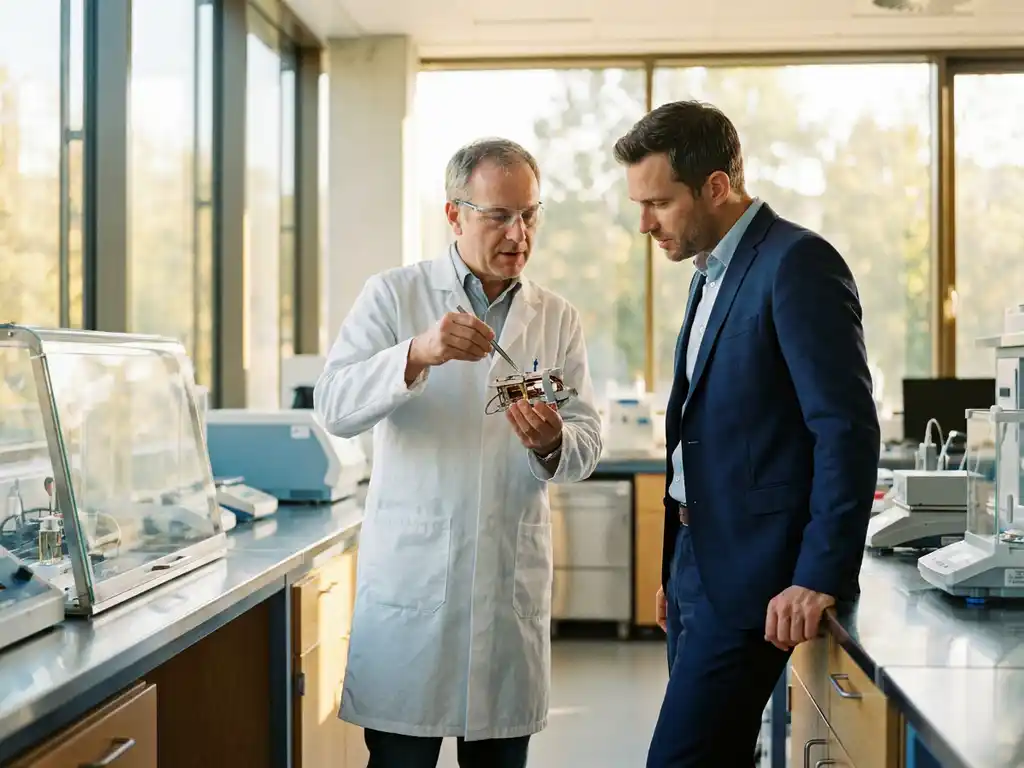
Research institutes find licensees for their technology through strategic market research, industry networking, technology transfer offices, and professional partnerships. The process involves identifying companies with complementary capabilities, market presence, and commercialisation experience. Successful licensee identification requires understanding both the technology’s applications and the commercial landscape where it can create value.
What exactly is technology licensing and why do research institutes pursue it?
Technology licensing is the process of granting commercial rights to use, manufacture, or sell research innovations to external companies in exchange for royalties or fees. Research institutes pursue licensing to generate revenue from their intellectual property, extend the impact of their research beyond academic circles, and optimise resource allocation by partnering with organisations that are better positioned for commercialisation.
The fundamental concept involves transferring research innovations to commercial partners that possess the manufacturing capabilities, market access, and financial resources needed for successful product development. This arrangement allows research institutes to focus on their core mission of scientific discovery while ensuring their innovations reach real-world applications.
Technology licensing provides multiple benefits for research organisations. Revenue generation through royalties and licensing fees creates sustainable funding streams for future research projects. Broader impact occurs when innovations reach larger markets through commercial partners’ distribution networks. Resource optimisation happens because institutes avoid the substantial costs and risks associated with bringing products to market independently.
How do research institutes identify potential licensees for their technologies?
Research institutes identify potential licensees through comprehensive market research, industry analysis, professional networking, and database searches. The process combines proactive outreach strategies with reactive approaches that respond to industry inquiries. Effective identification requires understanding both the technology’s commercial applications and the competitive landscape of relevant industries.
Market research forms the foundation of licensee identification. Institutes analyse industry reports, competitor activities, and market trends to understand which companies might benefit from their innovations. This research helps identify organisations with complementary technologies, distribution channels, or market positions that align with the research institute’s intellectual property.
Professional networks provide valuable connections for research commercialisation. Technology transfer offices maintain relationships with industry contacts, venture capitalists, and business development professionals who can facilitate introductions. Academic conferences, industry trade shows, and professional associations offer opportunities to meet potential partners and understand market needs.
Technology databases and online platforms create additional discovery channels. Patent databases reveal companies working in similar areas, while technology marketplace websites connect research organisations with businesses seeking innovations. Direct outreach through targeted marketing campaigns can also attract attention from relevant industry players.
What makes a company an ideal licensee for research institute technology?
An ideal licensee possesses strong financial capacity, an established market presence, relevant technical expertise, proven commercialisation experience, and strategic alignment with the technology’s applications. These characteristics ensure the licensee can successfully develop, manufacture, and market the innovation while providing appropriate returns to the research institute.
Financial capacity encompasses both immediate licensing fees and long-term investment capabilities. Ideal licensees demonstrate sufficient resources to fund product development, manufacturing scale-up, and market introduction. This financial strength reduces the risk of project abandonment and ensures sustained commitment to bringing the technology to market.
Market presence and distribution capabilities are equally important. Companies with established customer relationships, sales channels, and brand recognition can introduce new technologies more effectively than organisations starting from scratch. Technology partnerships work best when licensees possess complementary strengths that enhance the innovation’s commercial potential.
Technical expertise within the licensee organisation ensures proper implementation and development of the licensed technology. Companies with relevant research and development capabilities, manufacturing experience, and quality control systems are better positioned to maintain innovation standards and continue improving the technology after licensing.
What are the most effective channels for connecting with potential technology licensees?
The most effective channels include technology transfer offices, industry conferences, professional networks, online technology marketplaces, and intermediary organisations that specialise in innovation licensing. Direct marketing approaches and strategic partnerships also create valuable connections. Success often requires using multiple channels simultaneously to maximise exposure and reach diverse potential partners.
Technology transfer offices serve as primary intermediaries between research institutes and commercial partners. These specialised units maintain industry databases, facilitate networking events, and actively market available technologies to relevant companies. Their expertise in intellectual property licensing helps streamline the connection process and ensure proper legal frameworks.
Industry conferences and trade shows provide face-to-face networking opportunities where research institutes can demonstrate technologies and meet potential licensees directly. These events allow for detailed technical discussions and relationship-building that often lead to successful partnerships. Professional associations in relevant industries also offer networking platforms and member directories.
Online technology marketplaces and databases create global visibility for available innovations. These platforms allow companies to search for technologies that meet their specific needs while enabling research institutes to showcase their intellectual property to international audiences. Social media platforms, particularly LinkedIn, facilitate professional networking and direct outreach to decision-makers in target companies.
How do research institutes evaluate and negotiate with potential licensees?
Research institutes evaluate potential licensees through due diligence processes that assess financial stability, technical capabilities, market position, and strategic fit. Negotiation involves structuring licensing agreements that balance revenue generation with successful commercialisation. The process includes defining royalty structures, milestone payments, performance requirements, and intellectual property protections.
The evaluation process begins with financial due diligence to confirm the potential licensee’s ability to fund development and commercialisation activities. This assessment includes reviewing financial statements, funding sources, and investment history in similar technologies. Technical evaluation examines the company’s research capabilities, manufacturing facilities, and quality control systems.
Market position analysis considers the potential licensee’s customer relationships, distribution channels, and competitive advantages. Companies with strong market presence and established sales networks are more likely to successfully commercialise licensed technologies. Strategic fit evaluation ensures alignment between the technology’s applications and the licensee’s business objectives.
Innovation licensing negotiations typically address royalty rates, upfront payments, milestone achievements, and exclusivity arrangements. Successful agreements include performance requirements that ensure active commercialisation efforts and protect the research institute’s interests. Legal frameworks must address intellectual property ownership, improvement rights, and dispute resolution mechanisms.
How WAITRO helps research institutes connect with technology licensees
WAITRO facilitates technology licensing partnerships through its global network of 135 full members and 45 associate members, creating unprecedented opportunities for research commercialisation. Its platform connects research institutes with potential licensees across multiple regions and industries, leveraging decades of experience in international collaboration and technology transfer.
Its comprehensive support includes:
- Access to a global network of research organisations and industry partners
- Technology showcase platforms that highlight member innovations
- Facilitated introductions between research institutes and potential commercial partners
- Capacity development programmes that strengthen technology transfer capabilities
- International collaboration opportunities that expand market reach
- Strategic partnership guidance that optimises licensing arrangements
Through established relationships with leading organisations such as Leitat, Fraunhofer, and JITRI, WAITRO provides members with direct access to proven commercialisation networks and industry expertise. Its secretariat actively supports technology transfer initiatives and creates opportunities for meaningful partnerships that advance both research impact and sustainable development goals.
Join WAITRO today to connect your research innovations with global licensing opportunities and transform your intellectual property into commercial success through its proven international network.
Related Articles
- What is the difference between technology transfer and open innovation?
- Who created the UN Sustainable Development Goals?
- Should companies prioritize climate innovation over short-term profits?
- What Are the Best Practices for Research Infrastructure in Low-Resource Settings?
- What Is Pre-Competitive Research?
