
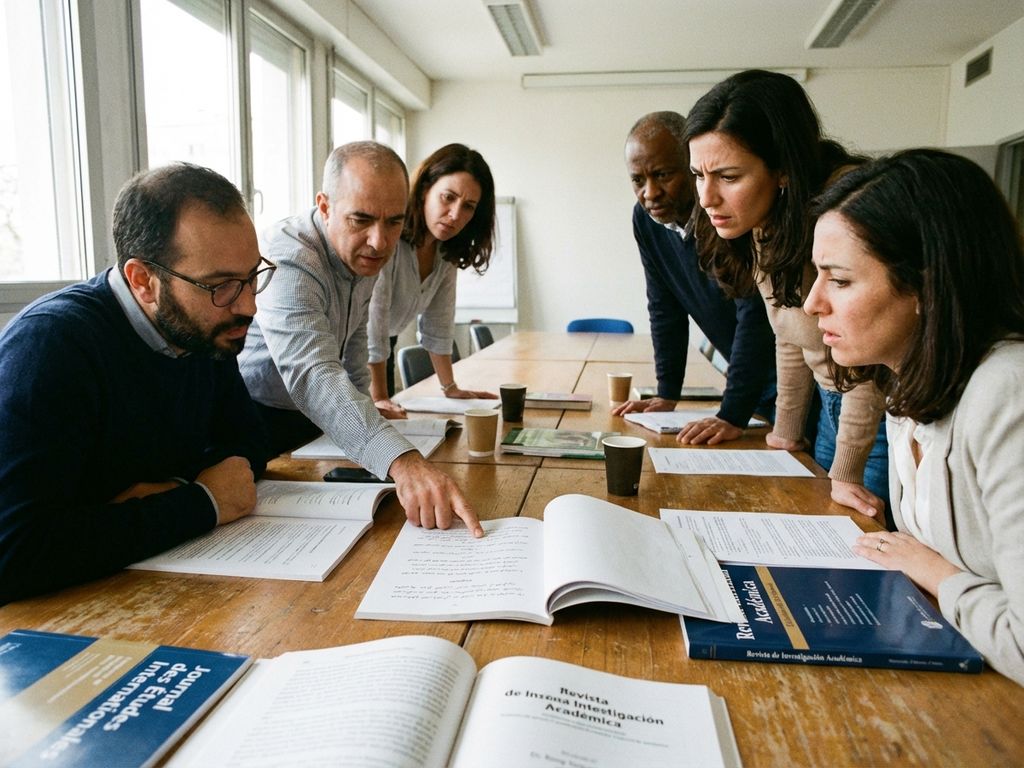
Language barriers in research collaboration arise when communication differences between international research teams hinder effective partnership and knowledge sharing. These challenges affect scientific partnerships by limiting the exchange of ideas, creating misunderstandings in methodology, and reducing innovation potential in global research networks. Overcoming these barriers is essential for advancing international academic cooperation and achieving breakthrough discoveries through diverse perspectives.
What are language barriers in research collaboration and why do they matter?
Language barriers in research collaboration refer to communication difficulties that arise when researchers from different linguistic backgrounds work together on scientific projects. These barriers encompass not only basic language proficiency issues but also challenges related to technical terminology, cultural communication styles, and documentation standards across different academic traditions.
These barriers matter significantly because they directly impact the quality and effectiveness of international research partnerships. When team members cannot communicate complex scientific concepts clearly, research outcomes suffer through misaligned methodologies, incomplete data sharing, and reduced collaborative innovation. The global nature of modern scientific challenges requires diverse expertise from multiple countries, making effective cross-cultural research communication essential for breakthrough discoveries.
Language barriers also affect the dissemination of research findings. Publication in international journals, presentation at global conferences, and knowledge transfer between institutions all depend on clear communication. When language differences create obstacles, valuable research may remain isolated within specific linguistic communities, limiting its broader scientific impact and societal benefits.
How do language differences impact the quality of international research projects?
Language differences reduce research quality by creating miscommunication of methodologies, data interpretation errors, and inconsistent documentation standards. Teams may implement different approaches to the same research question due to unclear communication, leading to incompatible results and reduced scientific rigour across the collaborative project.
Methodological alignment becomes particularly challenging when technical procedures must be explained across language barriers. Precise experimental protocols, statistical approaches, and quality control measures may be misunderstood or implemented inconsistently. This variation compromises the reliability and reproducibility of research findings, which are fundamental requirements for credible scientific work.
Publication challenges also significantly impact research quality. International research teams often struggle to produce cohesive manuscripts when team members have varying levels of scientific writing proficiency in the publication language. The peer review process becomes more difficult, and research findings may be presented less clearly, reducing their influence within the global scientific community.
Innovation potential decreases when language barriers prevent the free flow of creative ideas between team members. Brainstorming sessions, hypothesis development, and problem-solving discussions lose effectiveness when participants cannot express complex thoughts or understand nuanced contributions from colleagues with different linguistic backgrounds.
What are the most common communication challenges in multilingual research teams?
The most frequent challenges include technical terminology confusion, where specialized scientific terms have different meanings or translations across languages. Cultural communication styles also create barriers, as some cultures favour direct communication while others use more indirect approaches, leading to misunderstandings about research priorities and expectations.
Documentation difficulties present ongoing challenges for multilingual research teams. Different academic traditions have varying standards for research documentation, report writing, and data presentation. Team members may struggle to maintain consistent documentation practices, creating confusion about project progress and making it difficult to track research developments effectively.
Meeting participation barriers frequently occur when some team members feel uncomfortable contributing to discussions in a non-native language. This leads to uneven participation, where valuable insights from certain team members may be lost due to language confidence issues rather than a lack of expertise or relevant knowledge.
Time zone coordination compounds language challenges, as asynchronous communication requires even clearer written communication. Email exchanges, shared document reviews, and recorded presentations must be exceptionally clear to prevent misunderstandings when immediate clarification is not possible.
How can research organizations overcome language barriers effectively?
Research organizations can overcome language barriers through multilingual documentation practices, cultural competency training, and standardized communication protocols. Establishing clear communication frameworks that account for different language proficiencies helps ensure that all team members can participate effectively in collaborative research projects.
Translation technologies should be integrated strategically, focusing on high-quality professional translation for critical documents while using real-time translation tools for routine communications. Organizations should invest in training team members to use these technologies effectively rather than relying on them as complete solutions.
Cultural competency training helps team members understand different communication styles and academic traditions. This training should cover not only language differences but also cultural approaches to collaboration, decision-making, and conflict resolution in research contexts. Organizations can explore specialized programs that address these multicultural collaboration challenges.
Communication protocol development ensures consistent practices across international teams. These protocols should specify languages for different types of communication, documentation standards, meeting formats, and escalation procedures when communication issues arise. Regular protocol reviews help teams adapt their approaches based on practical experience.
What tools and technologies help bridge language gaps in research collaboration?
Real-time translation platforms like Microsoft Translator and Google Translate provide immediate communication support for meetings and informal discussions. Collaborative research software with multilingual support, such as specialized project management tools and shared documentation platforms, helps teams maintain consistent communication standards across different languages.
Digital communication tools designed for international research teams include video conferencing platforms with automatic transcription and translation features. These tools help ensure that all team members can follow discussions and contribute effectively, regardless of their primary language or accent differences.
Document collaboration platforms with integrated translation capabilities allow teams to work on shared documents while maintaining version control across different languages. These tools often include comment and suggestion features that support multilingual feedback and review processes.
Specialized scientific translation software helps with technical terminology consistency. These tools maintain glossaries of scientific terms and their approved translations, ensuring that complex concepts are communicated accurately across different languages throughout the research project lifecycle. Organizations can access comprehensive support services that include guidance on implementing these technological solutions effectively.
How does WAITRO help overcome language barriers in research collaboration?
WAITRO facilitates multilingual research partnerships by providing comprehensive support systems that address communication challenges in international scientific collaboration. Through our global network of research organizations, we create standardized frameworks that enable effective communication across linguistic and cultural boundaries. Our mission focuses on building bridges between diverse research communities worldwide.
Our support includes:
- Translation services for critical research documentation and agreements
- Cross-cultural communication training programmes for research teams
- Standardized collaboration frameworks that work across different languages
- Global networking opportunities that connect researchers beyond language limitations
- Best-practice sharing for multilingual research project management
- Technical terminology standardization across different languages and regions
Ready to enhance your international research collaborations? Organizations looking to explore partnership opportunities can discover WAITRO’s impact on global research collaboration, while research institutions can become members to learn how our global network helps build stronger partnerships and achieve greater impact through effective cross-cultural scientific communication. Stay informed about new opportunities through our calls and opportunities for international collaboration.
