A community-led resilience model combining Japan’s Seikatsu Kaizen approach with Social Appropriation of Knowledge to help rural communities identify vulnerabilities, develop locally appropriate solutions and become active leaders of climate adaptation.
Date:
-
Location:
Colombia
Partners:
ISAGEN
Research Area:
Climate-Responsive Societies & Just Transitions
Sustainable Development Goals:
01 - No Poverty, 05 - Gender Equality, 08 - Decent Work and Economic Growth, 11 - Sustainable Cities an Communities, 13 - Climate Action, 15 - Life On Land, 17 - Partnerships for the Goals
Stronger Communities, Resilient Futures
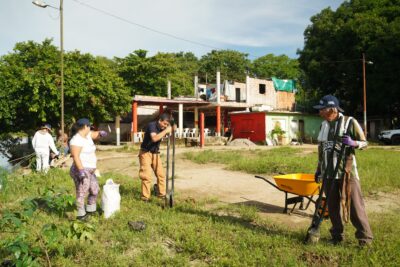
The Corporación Centro de Ciencia y Tecnología de Antioquia (CTA) proposes a community-led model for climate adaptation and just transitions that combines Japan’s Seikatsu Kaizen (Life Improvement Approach) with CTA’s Social Appropriation of Knowledge framework. The central principle is that lasting transformation can emerge from small, continuous improvements using locally available resources, rather than requiring large-scale external interventions.
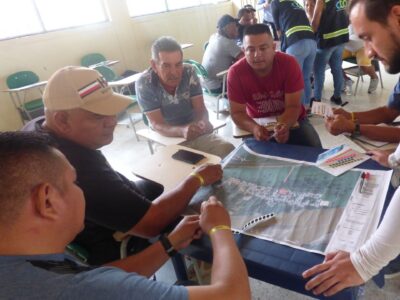
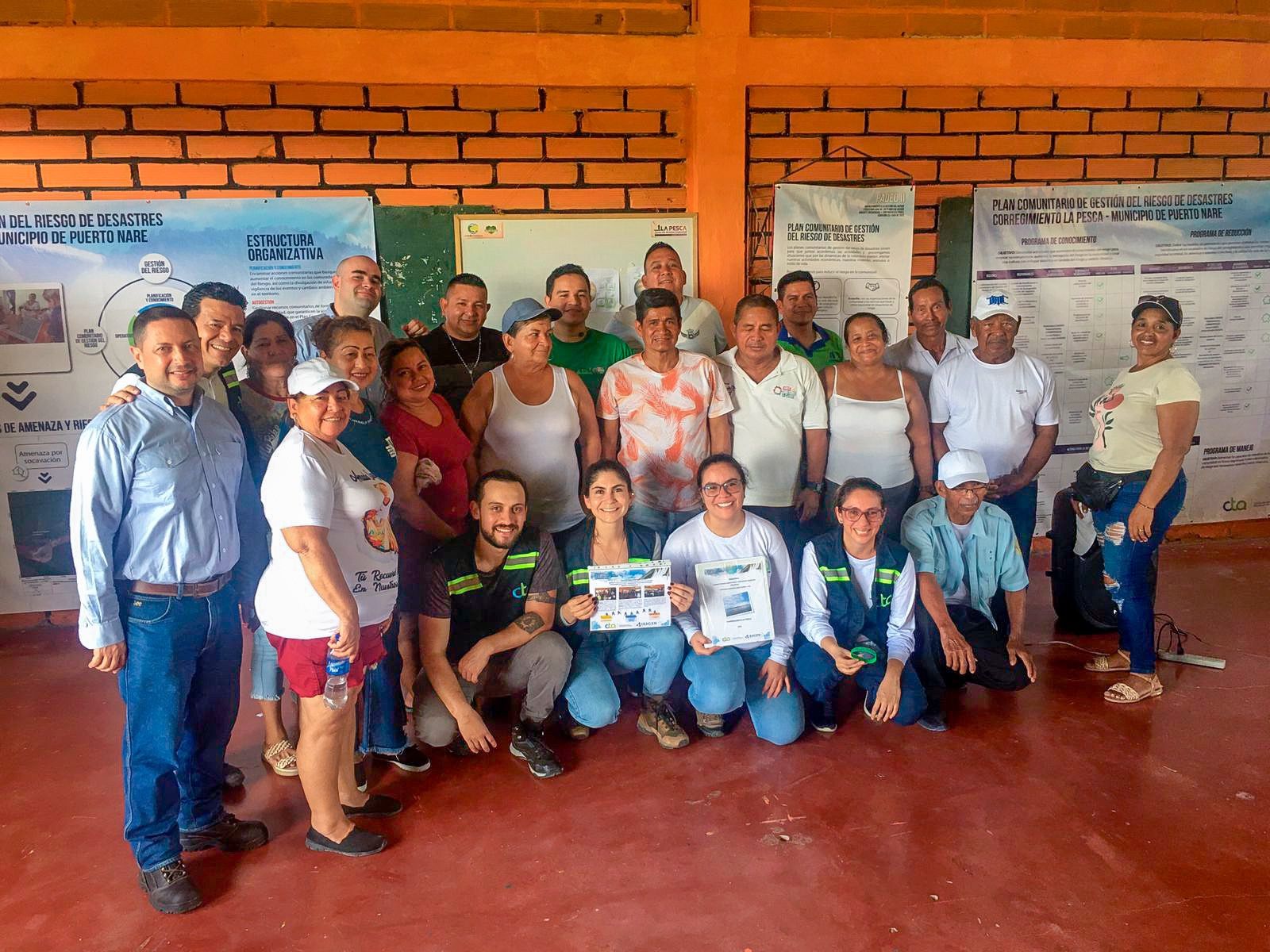
The model targets rural communities exposed to increasing climate and disaster risks, while addressing the everyday vulnerabilities that amplify these risks—such as housing, sanitation, nutrition, livelihoods, and community organization. Instead of imposing standardized external solutions, communities identify their own priorities and develop practical responses based on their local knowledge, resources, and environmental conditions.
Community Ownership and Climate Resilience
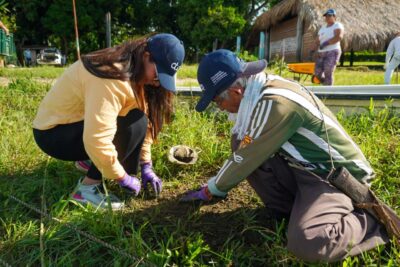
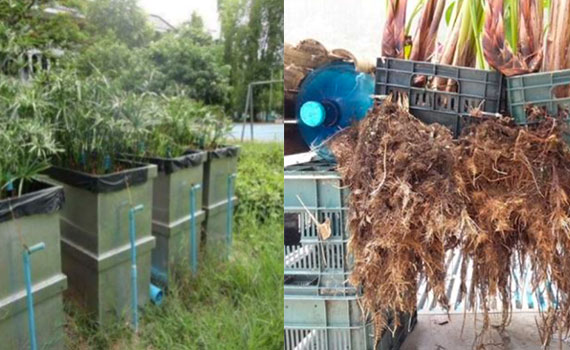
A key innovation is the integration of Disaster Risk Management (DRM) and Nature-based Solutions (NbS) into the community development process. Scientific and technical knowledge is combined with local experience and translated into concrete actions that communities can test and refine themselves.
This reverses the conventional top-down development model: citizens become the central actors in their own resilience-building, while technical teams function primarily as facilitators of collective learning, experimentation, and reflection. The objective is to build local capacity and leadership so that successful practices can continue independently rather than remaining dependent on external support.
Pilot Testing and Scale-Up
The initiative is currently pre-pilot and preparing for field testing. Initial pilots will test the methodology in real-world rural settings, measure its effects on climate vulnerability and livelihoods, and generate evidence for refinement and replication.
CTA is partnering with ISAGEN Colombia for the initial pilot and is seeking financial, technical, and institutional support for field testing and impact measurement. Following validation, the model is intended to scale across Colombia and Latin America through local leaders and community multipliers, peer-to-peer knowledge exchange, digital tools, and strategic institutional partnerships.
The long-term ambition is a transferable framework for community-owned climate resilience, demonstrating how incremental local action can generate lasting adaptation, strengthen self-sufficiency, and reconnect climate action with local social and ecological realities.