
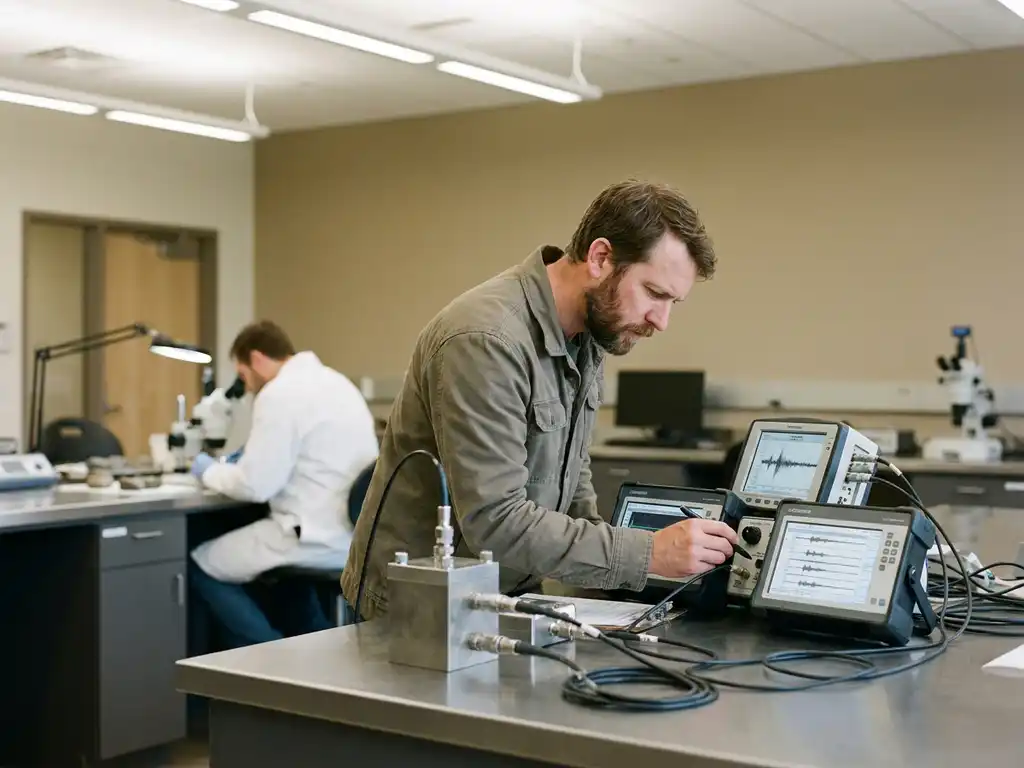
Research institutes support disaster risk reduction by developing early warning systems, creating innovative preparedness technologies, conducting risk assessments, and fostering international collaboration to build climate resilience. They serve as critical bridges between scientific research and practical emergency management solutions that save lives and protect communities worldwide.
Inadequate early warning systems are costing communities precious response time
When disaster strikes, every minute counts, yet many communities receive warnings too late—or not at all—because existing systems lack the sophisticated modeling and real-time data processing that modern research can provide. This gap between available technology and deployed systems means families have insufficient time to evacuate, emergency services cannot position resources effectively, and preventable losses occur. Research institutes can close this gap by developing advanced predictive models, integrating multiple data sources, and creating communication networks that deliver actionable warnings with the lead time communities need to respond effectively.
Fragmented disaster preparedness approaches are leaving critical vulnerabilities unaddressed
Communities often implement disaster preparedness measures in isolation, focusing on single hazards or using outdated technologies that create blind spots in their overall resilience strategy. This piecemeal approach means that while one type of disaster may be well covered, others slip through the cracks, and interconnected risks remain invisible until it’s too late. Research institutes address this by developing comprehensive risk assessment frameworks, creating multi-hazard monitoring systems, and designing integrated preparedness technologies that account for the complex, interconnected nature of modern disaster risks.
What is disaster risk reduction and why do research institutes matter?
Disaster risk reduction is a systematic approach to identifying, assessing, and reducing the risks posed by natural and human-made hazards. Research institutes matter because they provide the scientific foundation, technological innovations, and evidence-based strategies that make effective risk reduction possible.
Research institutes serve as the backbone of disaster risk reduction efforts by conducting critical research that informs policy decisions and develops practical solutions. They analyze historical disaster patterns, study emerging threats, and create predictive models that help communities understand their vulnerabilities. This scientific approach transforms disaster management from reactive crisis response to proactive risk management.
The expertise housed in research institutes spans multiple disciplines, from meteorology and seismology to the social sciences and engineering. This interdisciplinary approach is essential because disasters are complex events that require a comprehensive understanding. Research institutes also maintain long-term data collection and analysis capabilities that individual communities or governments often cannot sustain independently.
How do research institutes develop early warning systems?
Research institutes develop early warning systems by combining advanced sensor networks, predictive modeling, and communication technologies to detect hazards and alert communities before disasters strike. They integrate real-time environmental data with historical patterns to generate accurate forecasts and automated alerts.
The development process begins with extensive hazard mapping and risk assessment. Research institutes deploy sophisticated monitoring equipment, including seismic sensors for earthquakes, weather stations for storms, and satellite imagery for various environmental changes. This data feeds into complex algorithms that can identify patterns indicating imminent threats.
Modern early warning systems also incorporate machine learning and artificial intelligence to improve prediction accuracy over time. Research institutes continuously refine these systems by analyzing past events and adjusting models based on new data. They also work closely with local communities to ensure warning messages are culturally appropriate and delivered through channels people actually use and trust.
What technologies do research institutes create for disaster preparedness?
Research institutes create diverse disaster preparedness technologies, including mobile emergency response platforms, drone-based damage assessment systems, resilient communication networks, and community-based monitoring tools. These technologies enhance both institutional response capabilities and community-level preparedness.
Mobile applications represent a significant area of innovation, providing real-time hazard information, evacuation route guidance, and emergency communication capabilities directly to citizens’ smartphones. Research institutes design these platforms to function even when traditional infrastructure fails, often incorporating offline capabilities and mesh networking features.
Physical infrastructure technologies include earthquake-resistant building designs, flood management systems, and backup power solutions for critical facilities. Research institutes also develop portable emergency response equipment, such as rapidly deployable communication towers and mobile medical units that can be quickly transported to affected areas.
Community-focused technologies include early warning devices designed for local use, such as rain gauges that trigger automated alerts or simple seismic monitoring equipment that communities can maintain themselves. These grassroots technologies ensure that preparedness reaches the local level, where disasters are actually experienced.
How do research institutes collaborate globally on disaster risk reduction?
Research institutes collaborate globally through international networks, shared research projects, data exchange agreements, and joint technology development initiatives. They coordinate efforts through organizations that facilitate knowledge sharing and ensure research addresses worldwide disaster challenges rather than isolated local problems.
International collaboration enables research institutes to pool resources for large-scale studies that no single institution could undertake alone. For example, global climate monitoring networks require coordinated data collection across continents, while tsunami warning systems need real-time information sharing among multiple countries and regions.
Collaborative research projects often focus on developing standardized approaches that can be adapted to different regional contexts. This includes creating universal risk assessment methodologies, establishing common data formats for information sharing, and developing technologies that work across different infrastructure levels and economic conditions.
Knowledge transfer represents another crucial aspect of global collaboration. Research institutes in developed countries share expertise and technologies with institutions in developing regions, while also learning from local knowledge and innovative approaches developed in resource-constrained environments. This bidirectional exchange strengthens disaster preparedness capabilities worldwide.
What role do research institutes play in climate adaptation strategies?
Research institutes play a central role in climate adaptation strategies by conducting climate impact assessments, developing adaptation technologies, and creating long-term resilience planning frameworks. They provide the scientific evidence and practical tools that communities and governments need to adapt to changing environmental conditions.
Climate adaptation requires understanding how changing weather patterns, sea level rise, and temperature shifts will affect specific regions over decades. Research institutes conduct detailed climate modeling studies that project these changes at local scales, enabling communities to make informed decisions about infrastructure investments, land-use planning, and resource management.
Research institutes also develop specific adaptation technologies, such as drought-resistant agricultural systems, coastal protection measures, and urban cooling solutions. These innovations help communities maintain functionality and quality of life despite changing environmental conditions. They work closely with local stakeholders to ensure adaptation strategies are practical and culturally appropriate.
Long-term planning support involves creating frameworks that help communities integrate climate considerations into all aspects of development planning. Research institutes provide tools for scenario planning, cost-benefit analysis of adaptation measures, and monitoring systems that track the effectiveness of implemented strategies over time.
How WAITRO Helps with Disaster Risk Reduction
We connect research institutes worldwide to accelerate disaster risk reduction innovations through our global network of 135 Full Members and 45 Associate Members. Our collaborative platform enables knowledge sharing, joint research initiatives, and technology transfer that strengthen disaster preparedness capabilities across all regions. Through our comprehensive services and specialized programs, we facilitate partnerships among research organizations, universities, and industry partners working on disaster resilience solutions.
Our specific contributions to disaster risk reduction include:
- Facilitating international research collaborations on early warning systems and climate adaptation technologies
- Supporting capacity development for research institutes in developing regions to strengthen their disaster preparedness capabilities
- Creating pathways for research organizations to bring disaster risk reduction innovations to market through our industry partnerships
- Connecting members with funding opportunities and strategic partnerships focused on sustainable development and resilience building
Join us at the WAITRO Summit 2026 in Istanbul, Türkiye, from October 26–28, 2026. Under the theme “Leading the Path of Implementation: Strengthening Co-Creation for Our Common Future,” this summit offers a unique opportunity to connect with global innovators working on disaster resilience, engage in collaborative research initiatives, and be part of a movement shaping sustainable innovation for climate adaptation. Become a member to access our full range of collaborative opportunities and help build a more resilient world through research and innovation.
Related Articles
- How do you handle a research ethics violation when it occurs?
- Can climate research help predict the future of global water supplies?
- How to Prepare for an Innovation Co-Creation Workshop?
- How Do Research Institutes Value Their Intellectual Property?
- How Do You Become an Active Member in a Research Network?
